

This week’s signals point to a wellness economy that is becoming more precise, more personalized, and more embedded into everyday life. From AI-powered health insights to breakthrough medical innovation and behavior-level shifts like micro-meditation, the future of wellness is being shaped at both the system level and the individual level—simultaneously.
1) Joe & the Juice lands new capital at a $1.8B valuation
Joe & the Juice secured a new minority investment from an Abu Dhabi-backed firm, valuing the company at $1.8 billion. The deal reinforces investor confidence in lifestyle-driven food and beverage brands that blend convenience with health signaling.
Why it matters:Functional food and beverage remains one of the most scalable entry points into the wellness economy—and investors are still betting big.
📍 Source: Bloomberg
2) Psychedelic drug makers rally after push for faster FDA reviews
Psychedelic-focused biotech companies surged after new policy direction aimed at accelerating regulatory review timelines. The move could significantly shorten the path to market for emerging mental health treatments.
Why it matters:Psychedelics are moving from fringe to framework. Regulatory momentum signals that mental health innovation is entering a new phase of legitimacy and scale.
📍 Source: Reuters
3) Oura expands into AI-powered health insights with Galen AI acquisition
Oura announced the acquisition of Galen AI technology to deepen its connected health capabilities. The move pushes Oura beyond tracking toward real-time interpretation and predictive insights.
Why it matters:Wearables are evolving into intelligent health platforms. The next competitive edge is not data—it’s actionable, personalized insight.
📍 Source: Oura
4) FIBO 2026 highlights the global convergence of fitness and wellness
The FIBO global fitness expo showcased how the industry is expanding beyond workouts into recovery, longevity, and digital integration. With thousands of brands present, the event underscored the scale and evolution of the category.
Why it matters:Fitness is no longer a silo—it’s becoming a central node in the broader wellness ecosystem.
📍 Source: Athletech News

Martin Morrell
5) Six Senses London signals the rise of urban wellness hospitality
A new Six Senses property in London is blending high-end hospitality with biometrics, recovery treatments, and personalized wellness programming—all in a major city setting.
Why it matters:Wellness travel is shifting from escape to integration. Consumers want high-touch wellness experiences without leaving their everyday environments.
📍 Source: Condé Nast Traveler
6) Running brands pivot toward inclusivity after Nike backlash
After criticism of a performance-focused campaign, competitors are leaning into more inclusive messaging that welcomes all levels of movement. Brands are repositioning around accessibility and belonging.
Why it matters:The next wave of fitness growth will come from expanding participation—not just optimizing performance.
📍 Source: Glossy
7) Micro-meditation proves even two minutes can reshape the brain
New research shows that just two minutes of daily meditation can produce measurable changes in brain function tied to focus and emotional regulation. The findings reinforce the power of small, consistent habits.
Why it matters:Wellness is becoming more accessible. High-impact outcomes no longer require high time investment—lowering the barrier to entry for behavior change at scale.
📍 Source: The Washington Post
8) Personalized cancer vaccine shows long-term survival breakthrough
A personalized mRNA vaccine targeting one of the deadliest cancers has shown patients remaining alive six years after treatment. The approach tailors therapy to an individual’s tumor profile, marking a major step forward in precision medicine.
Why it matters:The future of health—and wellness—is hyper-personalized. Breakthroughs like this signal a shift from generalized care to individualized intervention at the deepest level.
📍 Source: ScienceAlert
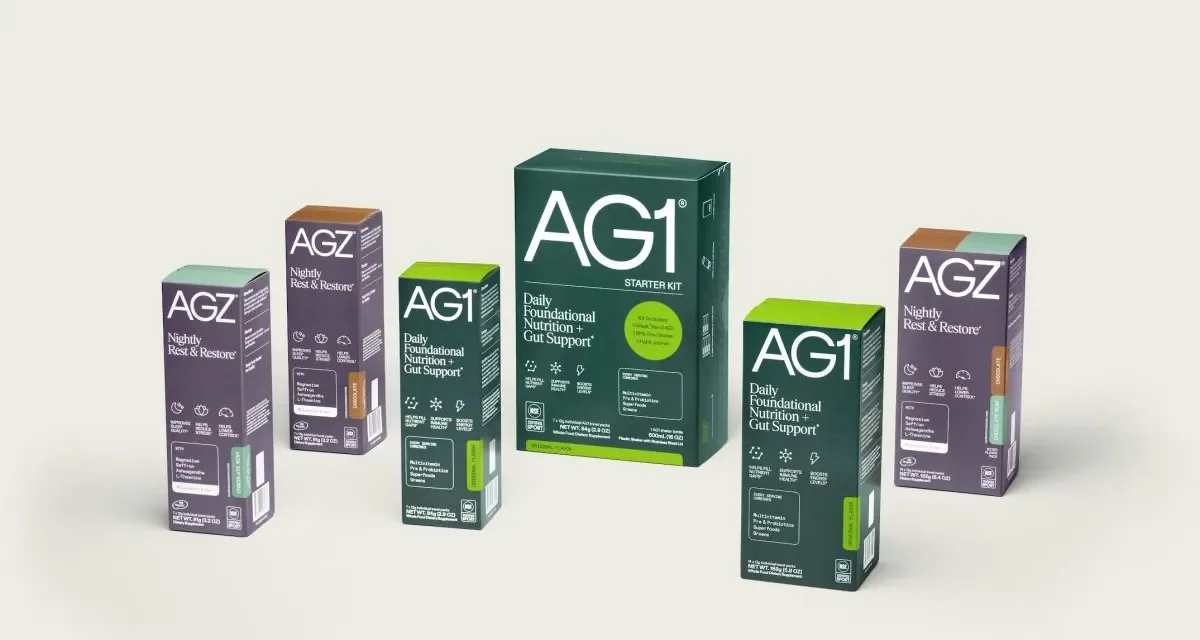
AG1
9) AG1 Lands In Target
Modern Retail reported that AG1 is launching on Target’s website and entering all of the retailer’s stores, which the company says will double its door count. The move marks another sign that premium wellness brands are increasingly pursuing mass retail after building strong DTC businesses first.
Why it matters: Wellness is still premium, but it increasingly needs scale. As category competition intensifies, retail distribution is becoming one of the clearest signals that a brand wants to move from loyal nice to everyday habit.
📍 Source: Modern Retail
10) Caffeine may boost mood—but also raise stress levels, study finds.
New research suggests that while caffeine can improve mood and alertness, it may also increase stress levels depending on dosage and individual sensitivity. The study highlights the dual impact of one of the world’s most widely consumed substances.
Why it matters: Everyday habits are getting a more nuanced lens. As consumers become more informed, even foundational wellness behaviors—like coffee consumption—are being reevaluated for both benefits and trade-offs.
📍 Source: USA Today
WISe Takeaway
This week makes one thing clear: wellness is moving from optional to operational. Whether it’s two-minute meditation reshaping the brain, AI transforming wearables into health copilots, or precision medicine extending lives, the category is becoming more embedded, more personalized, and more measurable. The brands and systems that win next will be the ones that don’t just inspire wellness—but make it easier, smarter, and built into everyday life.
Follow WISe Wellness Guild on LinkedIn andInstagram for next week’s Wellness Pulse.
Is your brand set up for success in the wellness industry? Take our WISe Brand Blueprint Assessment or schedule a free discovery call to get started.
📌 Follow WISe Wellness Guild on LinkedIn and Instagram for next week’s Wellness Pulse.