

🌿 The Wellness Pulse: 10 Signals Shaping the Next Phase of Measurable Wellness
This week’s wellness signal is clear: the next era of “feeling better” is getting more measurable, more biological, and more policy-backed. From sleep’s direct impact on gut repair to food-as-function (microbiome, fiber, resistant starch), we’re watching wellness move from vibes to clinical, behavioral, and commercial systems.
1. Sleep Disruption May Weaken the Gut’s Ability to Repair Itself
Chronic sleep disruption may trigger oxidative stress in intestinal stem cells, impairing the gut’s self-repair process. Researchers also mapped a brain-to-gut signaling pathway (including vagus nerve communication) that helps explain why sleep problems correlate with GI and inflammatory conditions.
Why it matters: Sleep isn’t just “recovery”—it’s an upstream lever for metabolic + immune resilience, and gut health brands should be treating sleep as a core pillar, not an adjacent add-on.
📍 Source: UC Irvine News
2. “Pink Noise” Sleep Aids May Reduce REM Sleep
The sleep category is heading toward a credibility reset—tools that “feel soothing” will increasingly be judged by measurable sleep architecture outcomes.
📍 Source: Science Daily

3. Just 20 More Minutes of Daily Activity Linked to Lower Hospitalization Risk
A modeling analysis found that swapping 20 minutes of sedentary time for moderate-to-vigorous activity was associated with reduced hospitalization risk across multiple conditions (with particularly strong reductions for diabetes-related hospitalization). The takeaway: small, realistic movement shifts can produce meaningful downstream outcomes.
Why it matters: “Micro-dosing movement” is a scalable public health play—and a product/benefits design opportunity for employers, payers, and platforms.
📍 Source: Prevention
4. Even 5 Minutes of Brisk Walking a Day Linked to Longevity Gains
A Lancet-backed analysis using activity tracker data suggests that modest increases in moderate-intensity activity—like 5 minutes of brisk walking—correlate with meaningful reductions in mortality at the population level. Benefits were especially notable for the least active individuals.
Why it matters: The “minimum effective dose” of wellness is becoming a core narrative—expect more programs designed around tiny, consistent wins rather than all-or-nothing overhauls.
📍 Source: The Washington Post
5. The 2026 Wellness Trends Are Getting More Sensory, Portable, and Nervous-System Focused
Elle’s early 2026 wellness trends roundup points to a shift toward products that support regulation over optimization: wearable stress tools, portable recovery devices, sleep-first beauty, and nervous-system–aware routines. The emphasis is less on extremes and more on daily, repeatable rituals that fit into real life.
Why it matters: Wellness consumers are moving away from “more” and toward “smarter.” Products that help people feel grounded, calm, and regulated—without adding friction—are becoming the new baseline.
📍 Source: Elle
6. Digital Health Interventions Show Stronger Results for Diet + Activity Than Sleep
A systematic review of digital health interventions for college students found stronger evidence for improving physical activity and diet than for reducing sedentary time or improving sleep. Across studies, longer interventions (8–16 weeks) and larger samples were more likely to show benefits.
Why it matters: Behavior change tech is maturing—expect less “wellness app” hype and more emphasis on duration, adherence, and outcomes that actually move.
📍 Source: Journal of Medical Internet Research
7. Health System Program Reports 80% Blood Pressure Control in 6 Months
The AMA spotlighted Sutter Health’s “Sutter Sync” model, reporting that 80% of participating patients achieved blood pressure control within six months. The model reflects a more coordinated, system-level approach to chronic condition management.
Why it matters: The next competitive edge in wellness is execution—integrated care models that reliably improve chronic markers will outpace standalone consumer tools.
📍 Source: American Medical Association

8. AI Model Predicts Post-Discharge Skilled Nursing Needs With High Accuracy
NYU Langone researchers developed an AI tool that predicts whether patients will need skilled nursing care after discharge, using admission notes and EHR data. The reported accuracy was 88% in a retrospective review of thousands of cases.
Why it matters: Wellness” is increasingly about smooth transitions of care—AI that anticipates needs early could reduce readmissions, caregiver strain, and cost.
📍 Source: NYU Langone
9. HHS Announces $100M Investment in Recovery, Tied to Major 2026 Block Grant Funding
HHS announced a $100 million investment connected to recovery initiatives, alongside SAMHSA’s first 2026 allocation of annual block grants totaling $794 million. The release notes funding support for community mental health services and substance use prevention/treatment, plus added federal eligibility for additional MOUD-related prevention services.
Why it matters: The wellness economy is being shaped by policy as much as products—mental health and recovery funding signals where demand, reimbursement, and partnerships will accelerate.
📍 Source: HHS
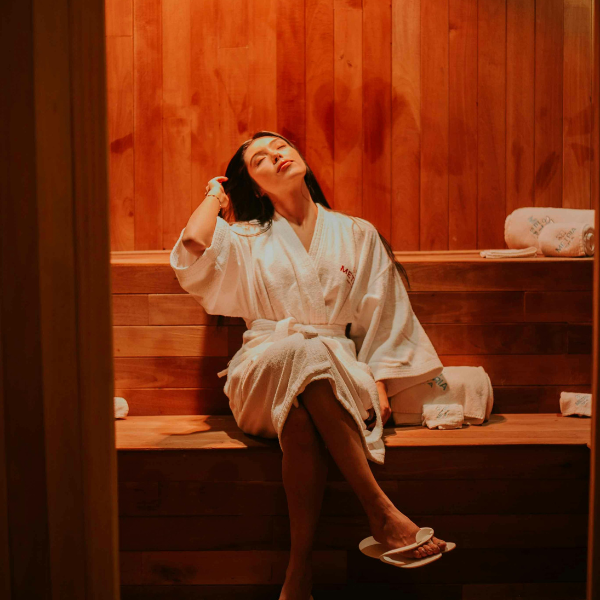
10. Wellness Industry Signals: Lung Health + Longevity Financing and “Social Sauna” Culture
Global Wellness Summit’s industry roundup highlighted several momentum signals: new longevity research coverage, venture funding for preventative lung health, and continued growth in communal bathing/sauna culture as a social wellness format. It’s a snapshot of where innovation and experience-based wellness are converging.
Why it matters: The category is bifurcating into two winners: measurable prevention (clinical science + funding) and community-first experiences (belonging as a health intervention).
📍 Source: Global Wellness Summit
✨ WISe Takeaway
The connective tissue across this week’s stories: wellness is becoming infrastructure. Sleep is being mapped into biological pathways. Food is being reframed as microbiome strategy. Digital tools are being judged by outcomes, not aesthetics. And policy + health systems are doubling down on mental health, recovery, and chronic disease control. For brands, employers, and ecosystem builders, the opportunity is to design wellness that’s measurable, habit-friendly, and integrated—not another isolated product in a crowded market.
Follow WISe Wellness Guild on LinkedIn and Instagram for next week’s Wellness Pulse.
Is your brand set up for success in the wellness industry? Take our WISe Brand Blueprint Assessment or schedule a free discovery call to get started.
📌 Follow WISe Wellness Guild on LinkedIn and Instagram for next week’s Wellness Pulse.