

🌿 The Wellness Pulse: Healthspan Research, Next-Gen GLP-1 Drugs, Wearable Tech Ethics & Ultra-Processed Food Scrutiny

This week’s wellness signal: the industry is maturing into infrastructure—and the tension is showing. The biggest headlines weren’t just about new products; they were about trust, access, regulation, and the systems (food, tech, aging, mental health) shaping how people live.
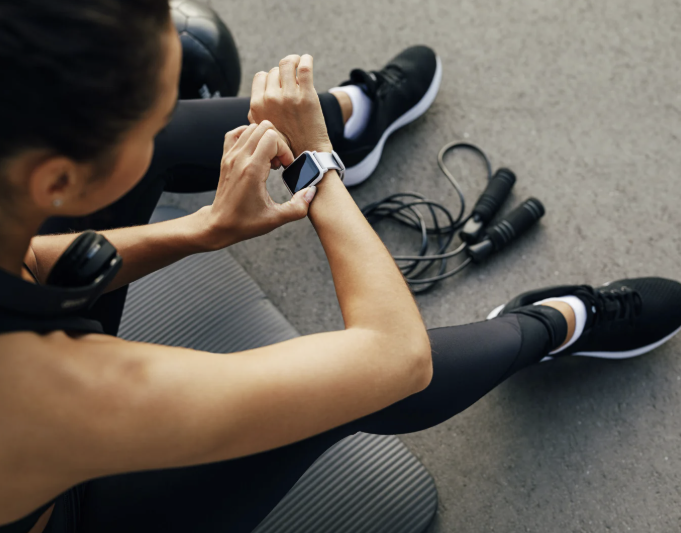
1) Wearables Have an E-Waste Problem And Wellness Can’t Ignore It
Wearables are booming, but their short lifecycles and hard-to-recycle components are creating a mounting waste stream—right as “health tech” becomes everyday culture. The piece spotlights how materials, PFAS concerns, and weak end-of-life programs are colliding with consumer demand.
Why it matters: If wellness is “future-proof,” sustainability has to be part of product strategy—not a footnote.
📍 Source: Vogue
2) ARPA-H Bets Big on Extending Healthspan—Not Just Lifespan
ARPA-H announced awards to research teams focused on identifying early aging markers and running clinical trials aimed at extending the years people live in good health. It’s a signal that “healthspan science” is shifting from theory into funded, trial-ready work.
Why it matters: Public funding accelerates legitimacy—and opens the door for scalable biomarkers, prevention models, and new longevity categories.
📍 Source: ARPA-H
3) A New AI Health Ring Raises the Stakes on Coaching-Driven Wearables
CUDIS launched an updated smart ring line paired with an AI “coach,” pushing wearables further from tracking into behavior shaping. The story underscores the race toward always-on guidance—less dashboard, more “agent.”
Why it matters: The winning wearables won’t just measure wellness. They’ll influence it (and that brings new questions about accuracy, ethics, and dependence).
📍 Source: Tech Crunch

4) Nicotine Is Being Rebranded as a “Wellness” Productivity Hack
A growing wave of biohackers and startups are marketing nicotine for focus and performance—despite addiction risk and regulatory gray areas. The reporting highlights how quickly “functional” narratives can outpace public-health guardrails.
Why it matters: Wellness is vulnerable to trend capture. Brands and leaders need clearer lines between optimization culture and harm.
📍 Source: STAT
5) A “Triple-G” Obesity Drug Trial Posts Nearly 20% Weight Loss in 24 Weeks
Novo Nordisk and United Laboratories shared mid-stage trial results for UBT251, a once-weekly drug targeting GLP-1, GIP, and glucagon, reporting up to 19.7% weight loss over 24 weeks. It’s another sign the metabolic-health landscape is moving fast beyond first-gen GLP-1s.
Why it matters: Metabolic care is reshaping food, fitness, and consumer behavior—expect “weight loss” to keep evolving into a broader performance + longevity system.
📍 Source: Reuters
6) Aging Is Becoming Medicine’s “Biggest Blind Spot” And That’s Changing
A new framing is gaining momentum: treating aging mechanisms as a central lever for disease prevention and national health strategy. The conversation is shifting from “anti-aging” consumer hype to systems-level clinical and policy implications.
Why it matters: When aging becomes a healthcare priority, everything changes—screening, reimbursement, prevention models, and how we define “care.”
📍 Source: TIME
7) Food Industry Engineering Is Being Compared to Tobacco And Policy May Follow
New research discussed in mainstream food media argues ultra-processed foods are designed to drive overconsumption using playbooks reminiscent of tobacco: sensory optimization, rapid reward delivery, and “health-washing.” The piece calls out regulation and accountability as the next frontier.
Why it matters: If UPFs face tobacco-style scrutiny, we’ll see ripple effects across packaging, claims, marketing, and “better-for-you” innovation.
📍 Source: Food and Wine

8) Food Insecurity May Have a Microbiome Signature
A new report covers research linking socioeconomic deprivation with less diverse gut bacteria—suggesting one pathway through which inequality may become biology. It connects environment, access, stress, and long-term health outcomes.
Why it matters: Wellness equity isn’t just “access to gyms”—it’s food systems, neighborhood conditions, and stress physiology shaping health at the microbial level.
📍 Source: The Guardian
9) A Faster Depression Treatment Model Could Expand Access to TMS
UCLA Health shared research suggesting an accelerated “5x5” schedule of transcranial magnetic stimulation (five sessions/day over five days) may deliver comparable benefits for many patients versus the traditional multi-week protocol. The promise: fewer barriers for people who can’t sustain long treatment schedules.
Why it matters: Scalable mental health isn’t only digital. Protocol innovation can dramatically improve access, adherence, and outcomes.
📍 Source: UCLA Health
10) New Nature Communications Study Probes How Keto Impacts Exercise Adaptation in Hyperglycemia
A new study explored whether glucose reduction via a ketogenic diet could restore aerobic training adaptations in a hyperglycemic model. While not a direct human prescription, it adds nuance to how metabolic state may change the body’s response to training.
Why it matters: “Personalized wellness” is getting real: training outcomes may depend as much on metabolic context as the workout itself.
📍 Source: Nature Communications
WISe Takeaway
Across the week’s biggest stories, the common thread is accountability: what we build (and discard), what we claim (and can prove), who benefits (and who gets left out), and how quickly science is moving from wellness narrative to clinical, policy, and infrastructure reality. The brands and leaders who win next will be the ones designing for trust + impact at scale—not just trends.
Follow WISe Wellness Guild on LinkedIn and Instagram for next week’s Wellness Pulse.
Is your brand set up for success in the wellness industry? Take our WISe Brand Blueprint Assessment or schedule a free discovery call to get started.
📌 Follow WISe Wellness Guild on LinkedIn and Instagram for next week’s Wellness Pulse.