🌿 The Wellness Pulse: 10 Big Movements Redefining Well-Being in 2026
This week in wellness feels like a pivot moment. From brain-tech breaking out of labs into lifestyle products, to gut health driving consumer demand and industry growth forecasts lighting up spreadsheets, 2025 has ended with both clarity and velocity. These are the shifts every wellness leader, founder, and strategist needs on their radar.
Wellness Evidence Goes Mainstream with New GWI Research Hub
The Global Wellness Institute expanded its WellnessEvidence.com portal, adding five new evidence-backed modalities like breathwork and cryotherapy — giving professionals real science to ground trend claims.
Why it matters: As wellness gets more crowded, credible science becomes the differentiator for brands and clinical adoption.
📍 Source: Global Wellness Institute’s new research portal PR Newswire
2. Sleep Cool, Sleep Smart: The Health Benefits of Lower Bedroom Temperatures
Emerging wellness advice (and supporting sleep science) is pointing to cooler sleep environments — generally around 60–67 °F (15–19 °C) — as a practical, lifestyle-based wellness hack. Cooler bedrooms help the body’s core temperature drop naturally at night, which supports the release of melatonin, improves sleep quality, and helps more restorative sleep cycles take place. This chill sleep strategy may also reduce inflammation, support better metabolic regulation, and help people wake feeling more refreshed.
Why it matters: With chronic sleep issues on the rise, actionable, environmental tweaks like optimizing sleep temperature give consumers and wellness brands a simple, evidence-linked lever to improve nightly recovery — and it’s low-cost, high-impact.
📍 Source: Sleep health expert guidance on optimal cool bedroom temperature (65 °F) and systemic benefits. The Standard

3. AI and Personalized Nutrition Lead the Next Frontier
Nutrition tech and AI are converging to drive precision food solutions, reshaping everything from product development to consumer recommendations.
Why it matters: Personalization will be table stakes. Brands that harness AI for meaningful nutrition insights (not gimmicks) will own loyalty in 2026.
📍 Source: Nutrition Insight review of 2025 trends nutritioninsight.com
4. Wearable Neurotech Emerges as a New Wellness Category
From EEG-enabled earbuds to FDA-approved brain stimulation headsets for mental health, brain gear is transitioning from sci-fi to consumer reality.
Why it matters: There’s a shift from tracking steps to tracking states of mind — and brands that speak credibly to attention, sleep, and stress metrics will unlock new markets.
📍 Source: Wired spotlight on brain wearables WIRED
5. Gut Health Drives Food and Beverage Innovation
Digestive health isn’t a niche anymore — gut wellness is fueling product launches across clean label, prebiotic and probiotic categories.
Why it matters: Functional foods aligned with gut science are no longer fringe — they’re commercial engines reshaping mainstream retail strategies.
📍 Source: Food Ingredients First industry insights foodingredientsfirst.com
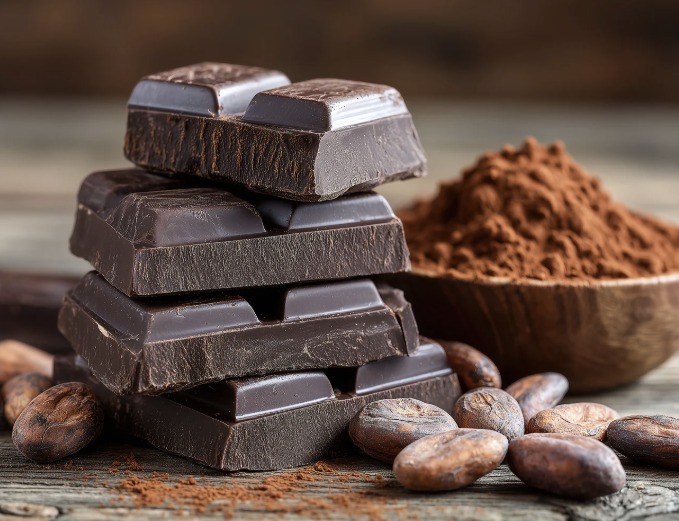
6. Functional Cocoa Joins the Wellness Conversation
Hot cocoa is getting a wellness makeover with mushrooms, collagen, and adaptogens — even as experts caution against over-optimizing comfort beverages.
Why it matters: Consumers want ritual and benefit. Products that balance emotional well-being with science will outpace purely functional plays.
📍 Source: Business Insider trend report Business Insider
7. Mental Wellness “Micro-Rituals” Gain Traction
Intentional sensory practices — simple routines that regulate mood and calm anxiety — are gaining traction outside clinical settings.
Why it matters: Wellness is migrating from programs to moments — bite-size, accessible practices that fit real life and broadcast easily on social platforms.
📍 Source: Times of India mental health trend The Times of India
8. Luxury Menopause Wellness Travel Takes Off
Destinations now offer menopause-focused retreats, integrating movement, education, and community — signaling a new segment in wellness tourism.
Why it matters: Age-diverse programming isn’t a nice-to-have — it’s a commercial imperative for an underserved demographic with spending power.
📍 Source: New York Post wellness resort article New York Post

9. Wellness as the #1 Marketing Trend for 2026
Thought leaders are calling wellness the defining marketing trend of the coming year — with trust, proof, and experiential connection taking priority over hollow claims.
Why it matters: Brands that can document outcomes and build emotional affinity will win in an era of heightened consumer skepticism.
📍 Source: BrandVM trend analysis Brand Vision
10. Workplace Well-Being Evolves Into Strategic Business Infrastructure
Organizational wellness isn’t just perks anymore — it’s a strategic asset tied to productivity, engagement, and talent retention as AI and hybrid work reshape the employee experience.
Why it matters: CEOs and CHROs must elevate well-being from benefits line item to core business strategy to compete for talent.
📍 Source: Global Wellness Institute workplace trends Global Wellness Institute
🌱 WISe Takeaway
This week confirms what savvy leaders already feel in their bones: wellness is no longer a siloed category — it’s woven into the fabric of business strategy, consumer behavior, and product innovation. Whether it’s brain tech, personalized nutrition, or emotional micro-rituals, the next wave isn’t just about products — it’s about meaningful, science-aligned experiences. Brands that lead with evidence, empathy, and scalable emotional resonance will set the pace in 2026.
Follow WISe Wellness Guild on LinkedIn and Instagram for next week’s Wellness Pulse.
Is your brand set up for success in the wellness industry? Take our WISe Brand Blueprint Assessment or schedule a free discovery call to get started.