

What Produce Is in Season in May? A Food-as-Medicine Guide to Spring Eating
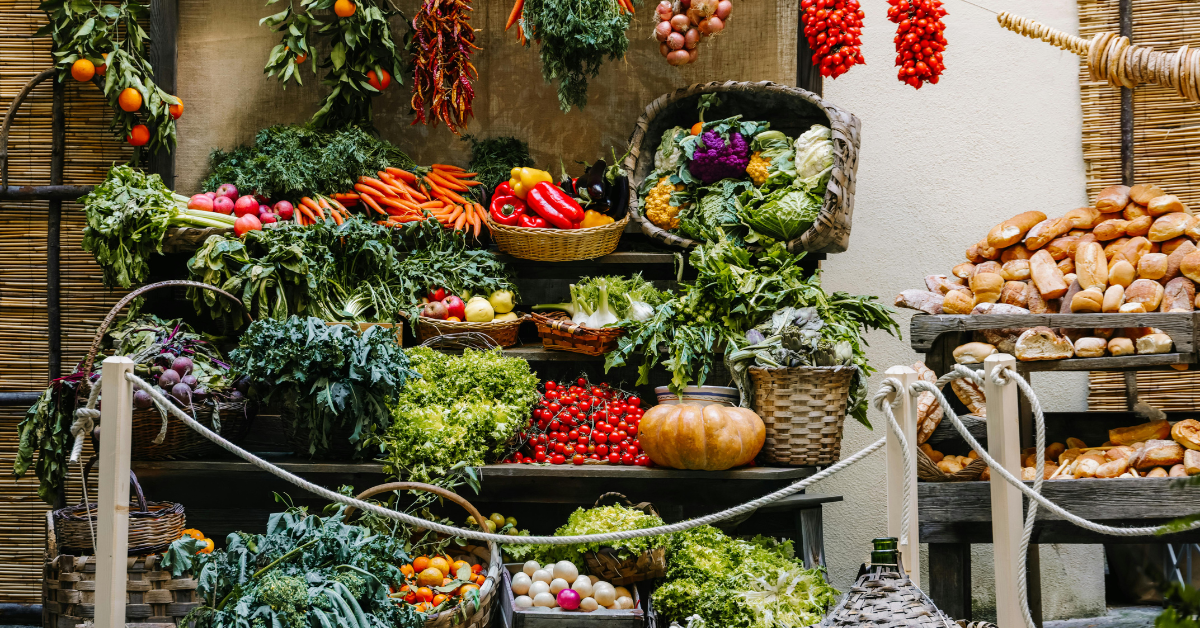
May is one of those months that feels like a fresh start. The weather is warmer, farmers markets begin to feel more abundant, and our plates naturally start to shift from heavier winter meals to lighter, brighter, more colorful foods.
That’s the beauty of seasonal eating: it invites us to reconnect with what our bodies, our communities, and the earth are offering right now.
Under the lens of food as medicine, May produce is more than a grocery list. It’s a simple way to add more fiber, antioxidants, hydration, minerals, and plant diversity into your everyday meals — without overcomplicating wellness.
And the best part? Seasonal produce often tastes better, supports local growers, and can be more affordable when it’s at peak harvest. The USDA’s SNAP-Ed Seasonal Produce Guide notes that what is in season can vary by region and weather, but seasonal fruits and vegetables are a delicious way to “make every bite count.”
Why Seasonal Eating Supports Wellness
Eating with the seasons is not a new trend. It’s one of the oldest forms of intuitive nutrition.
Before global shipping and year-round grocery availability, people naturally ate what grew near them. Today, we have access to almost anything at any time — which is convenient — but seasonal eating can help us bring more rhythm and intention back to the way we nourish ourselves.
In May, that often means crisp greens, tender vegetables, herbs, berries, and early spring-to-summer produce. These foods are naturally vibrant, nutrient-dense, and easy to incorporate into meals, snacks, smoothies, salads, and sides.
May Produce to Add to Your Plate
1. Asparagus
Asparagus is one of spring’s signature vegetables. It’s crisp, earthy, and easy to roast, grill, sauté, or shave raw into salads.
From a food-as-medicine perspective, asparagus brings fiber, folate, and antioxidants to the plate. It also pairs beautifully with lemon, olive oil, eggs, grains, herbs, and fish, making it a versatile addition to spring meals.
Try it: Roast asparagus with olive oil, lemon zest, garlic, and a sprinkle of parmesan or nutritional yeast.
2. Leafy Greens
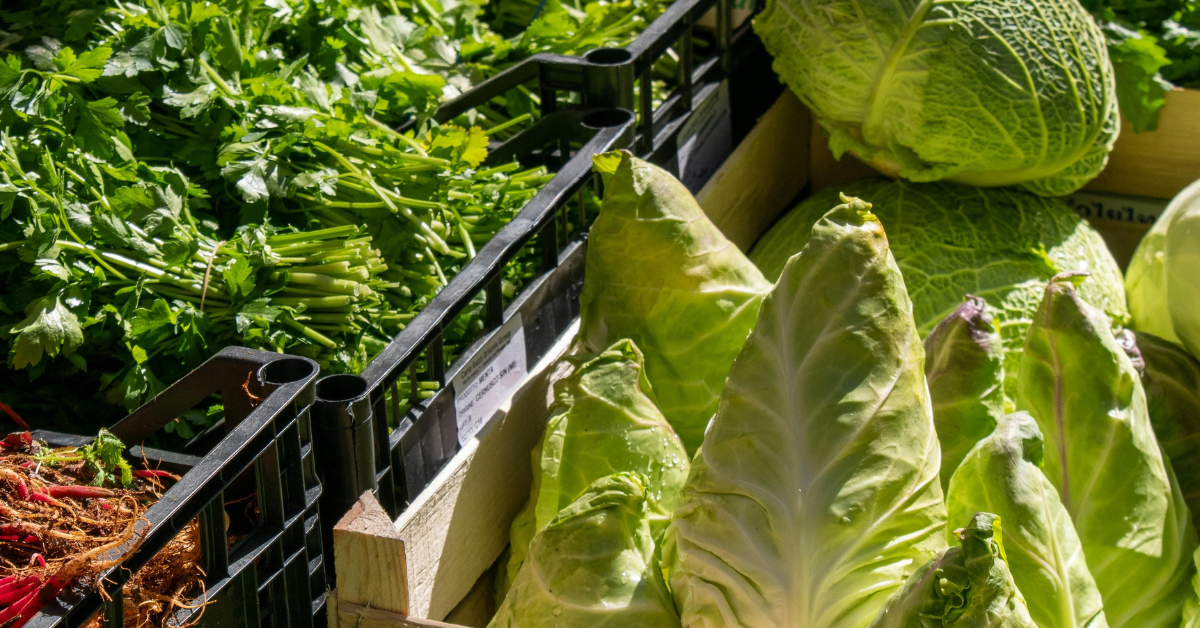
May is a beautiful time for greens like spinach, arugula, chard, kale, lettuce, and spring mix. Leafy greens are a simple way to increase your intake of fiber, minerals, and phytonutrients.
They also make seasonal eating feel easy. Add them to smoothies, grain bowls, wraps, omelets, salads, soups, or pasta.
Try it: Make a May greens bowl with arugula, quinoa, roasted asparagus, radishes, avocado, herbs, and a lemon-tahini dressing.
3. Radishes
Radishes add crunch, color, and a peppery bite to spring meals. They’re often overlooked, but they’re one of the easiest ways to make a dish feel fresh.
They can be eaten raw, pickled, roasted, or sliced thin over toast, tacos, salads, and grain bowls.
Try it: Add thinly sliced radishes to avocado toast with lemon, sea salt, and microgreens.
4. Peas
Fresh peas are a sweet spring staple. They bring plant-based protein, fiber, and brightness to meals.
Peas work well in risotto, pasta, salads, soups, dips, and spring vegetable sautés.
Try it: Blend peas with mint, lemon, olive oil, and garlic for a spring pea spread.
5. Strawberries
Depending on your region, strawberries may begin showing up in May, signaling the start of warmer-weather fruit season. Verywell Health recently highlighted strawberries as one of the spring fruits and vegetables to add to your plate, along with other spring produce like cherries, apricots, asparagus, leafy greens, beets, broccoli, and peas.
Strawberries are naturally sweet and rich in vitamin C and antioxidants. They’re also an easy swap when you’re craving something refreshing but still nourishing.
Try it: Pair strawberries with Greek yogurt, chia seeds, and a drizzle of honey for a simple snack or breakfast.
6. Rhubarb
Rhubarb is technically a vegetable, though it’s often treated like a fruit because of its tart flavor. It’s especially popular in spring desserts, compotes, and jams.
Because rhubarb is tart, it often gets paired with strawberries — a classic May combination.
Try it: Make a strawberry-rhubarb chia compote to spoon over oatmeal, yogurt, pancakes, or toast.
7. Herbs
Fresh herbs like mint, chives, parsley, cilantro, and dill come alive in spring. Herbs may be small, but they’re powerful for flavor and can help reduce the need for excess salt, sugar, or heavy sauces.
They also make meals feel more intentional and elevated.
Try it: Add chopped herbs to salads, dressings, scrambled eggs, roasted vegetables, or infused water.
8. Mushrooms and Morels
In parts of the Midwest, May is also morel season. Morels are prized for their earthy flavor and are often found at farmers markets or foraged by those who know what they’re doing.
Mushrooms can bring umami, texture, and depth to plant-forward meals.
Try it: Sauté mushrooms with garlic, herbs, and olive oil, then serve over toast, eggs, or a grain bowl.
Simple Ways to Eat More Seasonal Produce in May
Seasonal eating does not have to mean a total meal overhaul. Start with small, realistic swaps:
Add a handful of greens to your morning smoothie.
Build one big spring salad each week.
Use herbs to brighten leftovers.
Choose one new vegetable at the farmers market.
Roast a sheet pan of asparagus, carrots, radishes, and mushrooms.
Keep washed berries visible in the fridge for easy snacking.
Make a simple lemon-herb dressing to use all week.
The goal is not perfection. It’s awareness. Food as medicine is not about restriction. It’s about using everyday choices to support energy, digestion, mood, recovery, and long-term health.
A May Farmers Market Basket
Need a starting point? Here’s a simple May-inspired grocery list:
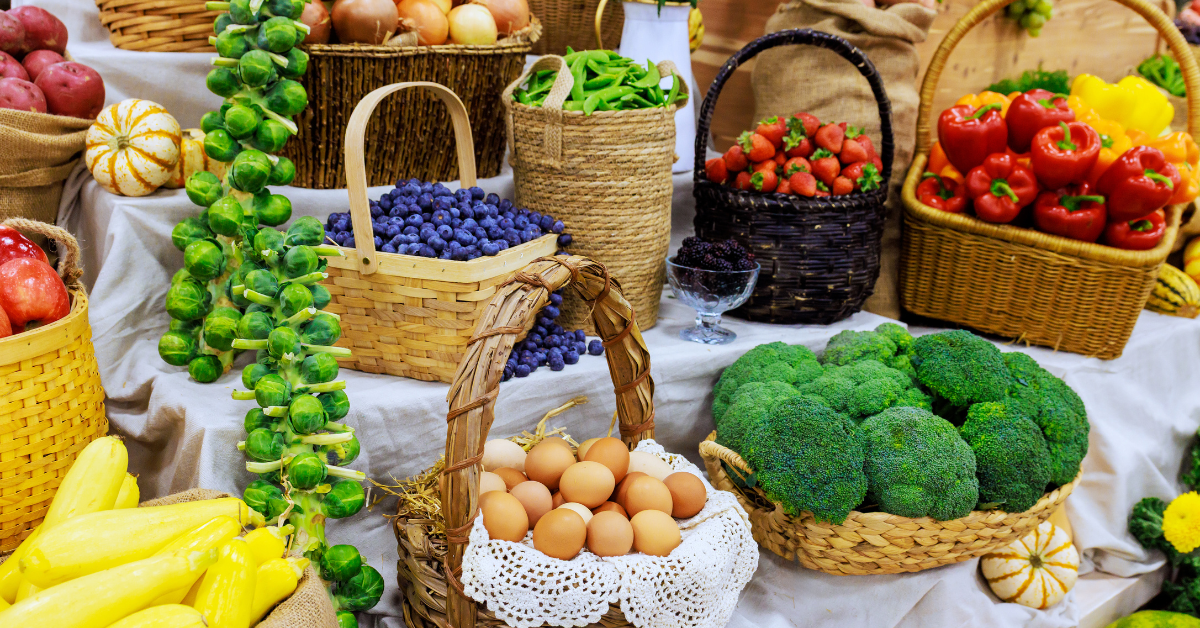
Vegetables: asparagus, arugula, spinach, chard, lettuce, radishes, peas, carrots, beets, broccoli, spring onions, garlic scapes
Fruits: strawberries, rhubarb, cherries, apricots, citrus, pineapple
Herbs: mint, parsley, chives, dill, cilantro
Extras: mushrooms, morels, microgreens, local eggs, whole grains, beans, yogurt, nuts, seeds
WISe Takeaway
May is an invitation to eat lighter, brighter, and more intentionally.
Seasonal produce gives us a simple way to practice food as medicine without making wellness feel complicated. Whether you’re shopping at a farmers market, joining a CSA, growing herbs on your patio, or picking up spring greens at the grocery store, every seasonal choice is a chance to reconnect with nourishment.
Start small. Add color. Follow what’s fresh.
Your body — and your plate — will feel the difference.