

The Wellness Pulse: AI Gets More Human, Fitness Gets More Lifestyle, and Health Tech Moves Home

Credit: Bala
The next era of wellness is not moving in one straight line. It is stretching in several directions at once.
This week, we are seeing AI move deeper into coaching, emotional wellness, and even medical imaging. But at the same time, some brands are doubling down on human expertise, community, and trust. Fitness is becoming more blended, with yoga borrowing from Pilates, running apps leaning on elite athletes, and equipment brands moving into activewear. Meanwhile, health tech continues its push into the home, from light therapy to body composition tools that promise more data without the clinical setting.
The big takeaway? Wellness is becoming more personal, but personalization is not only about technology. It is also about context, credibility, and the people or brands consumers trust to guide them.
1) YogaSix Launches a Pilates-Inspired Class
YogaSix is expanding its class format with Y6 Core, a heated, Pilates-inspired workout designed around low-impact strength, core training, upper-body engagement, and controlled movement.
It is a smart reflection of where boutique fitness is headed. Consumers are still craving mindful movement, but they also want workouts that build strength, support longevity, and feel efficient without being punishing. The lines between yoga, Pilates, functional fitness, and strength training are getting blurrier, and that may be exactly what modern fitness consumers want.
Why it matters: The “one modality only” era is softening. Today’s fitness brands are being pushed to create experiences that feel intentional, strengthening, and accessible all at once.
📍 Source: The Pilates Journal
2) Future Steps Back From AI Personal Training
Future is reportedly ending its AI personal training direction and recommitting to human coaches, even as many fitness apps race to automate the coaching experience.
That makes this one especially interesting. While AI can help with personalization, programming, and habit support, Future appears to be betting that real human accountability is still the premium layer. In a crowded fitness app market, the differentiator may not be who has the smartest algorithm, but who can create the strongest relationship.
Why it matters: This is a reminder that AI is not always the endgame. For wellness brands, technology can scale support, but trust often still comes from human connection.
📍 Source: Athletetech News
3) Solius Raises $23M for At-Home Light Therapy
Solius Labs raised $23 million in Series A funding and launched Solius Pro, an at-home UVB light therapy device designed to stimulate vitamin D production in adults.
The device scans the user’s skin, calculates a personalized UVB dose, and delivers a short weekly light therapy session. It brings a service traditionally associated with clinical or professional settings closer to the home wellness environment.
Why it matters: At-home wellness is getting more sophisticated. Consumers are no longer only buying trackers and massage guns; they are being introduced to devices that sit closer to the line between wellness, prevention, and medical technology.
📍 Source: GeekWire
4) Midjourney Moves Into Medical Imaging
Midjourney, best known for AI image generation, announced Midjourney Medical, a bold concept built around full-body ultrasonic CT imaging and a future Midjourney Spa experience.
The idea is to make a 60-second whole-body scan feel as approachable as a wellness appointment. The concept is ambitious and still early, especially when it comes to medical use, regulation, and real-world interpretation. But it points to a broader industry question: what happens when advanced imaging becomes part of the consumer wellness imagination?
Why it matters: The boundary between “health check,” “wellness experience,” and “medical scan” is getting more complicated. Brands entering this space will need more than futuristic storytelling. They will need clarity, clinical credibility, and consumer trust.
📍 Source: Midjourney
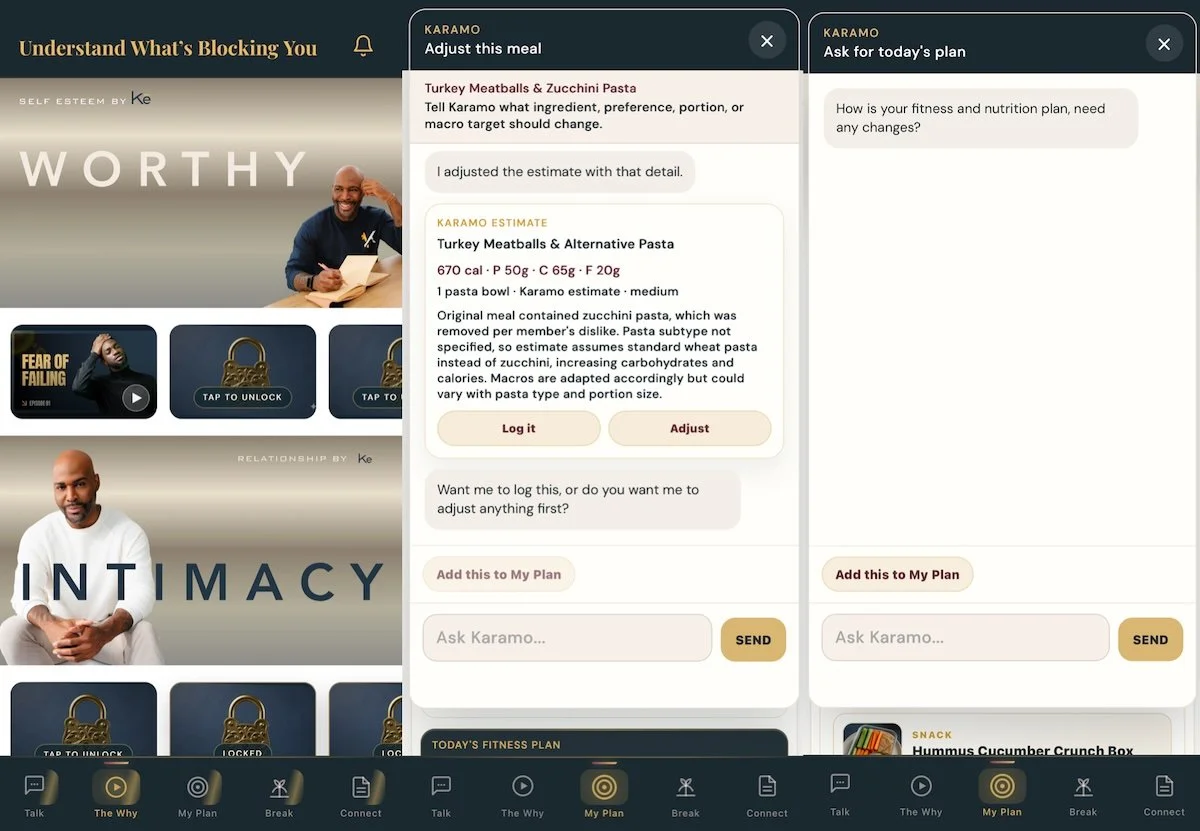
Credit: Kē (screenshot)
5) Karamo Brown Launches Kē, a Wellness App With an AI Digital Clone
Karamo Brown of Queer Eye has launched Kē, a wellness app that features his AI digital clone and offers support around fitness, nutrition, meditation, sobriety, relationships, and personal growth.
This is part of a larger shift toward creator-led wellness, where audiences are not just buying a product; they are buying guidance from someone they already feel connected to. The AI layer makes that guidance feel more available and personalized, but it also raises important questions about emotional support, boundaries, and responsible use.
Why it matters: Celebrity wellness is moving beyond endorsement. The next version may look more like interactive coaching, where personality, trust, and AI merge into a daily support system.
📍 Source: TechCrunch
6) Bala Expands From Fitness Equipment Into Activewear
Bala, the design-forward fitness brand known for Bala Bangles, is expanding into activewear.
This move makes sense for a brand that has always lived at the intersection of movement, aesthetics, and lifestyle. Bala built a visual identity around fitness equipment that people wanted to keep out, wear, photograph, and use. Activewear is a natural next step in turning that identity into a broader wellness wardrobe.
Why it matters: Fitness products are becoming lifestyle brands faster than ever. When a brand has a strong point of view, the product category can become flexible.
📍 Source: WWD
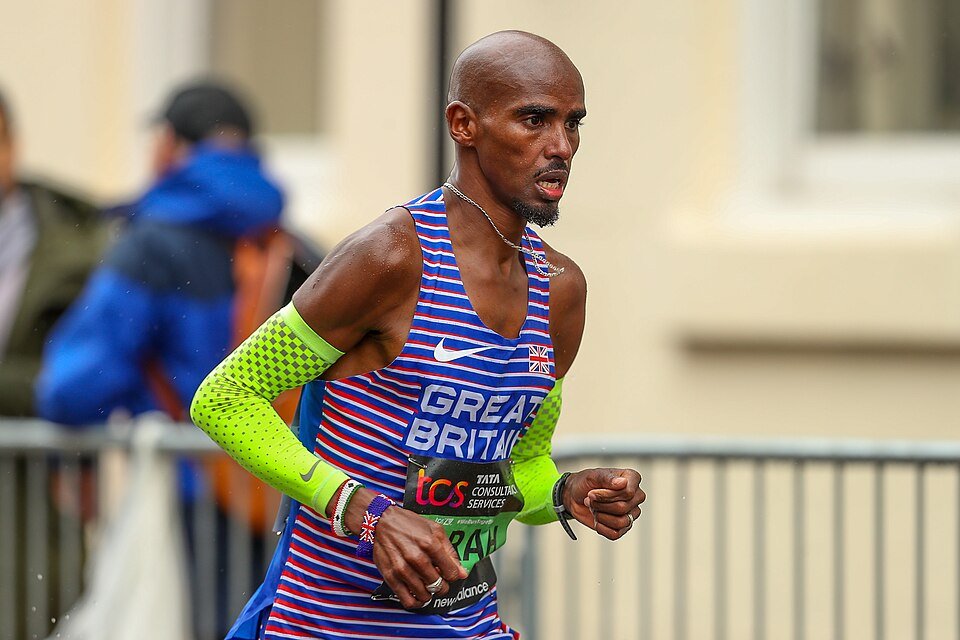
7) Sir Mo Farah’s URUNN App Secures a Seven-Figure Raise
URUNN, the running app co-founded by Sir Mo Farah and elite marathoner Adam Clarke, secured a seven-figure raise to support growth across product, talent, and global expansion.
The app brings elite athlete and coaching expertise into a personalized, adaptive training experience for everyday runners. With users in more than 110 countries and partnerships with major global brands, URUNN is another example of athlete-led platforms moving from inspiration into scalable wellness products.
Why it matters: Running is having a strong community and accountability moment. Apps that combine expert guidance, personalization, and emotional motivation may be especially well-positioned.
📍Source: BusinessCloud
8) Crunch Fitness Names Chequan Lewis CEO
Crunch Fitness appointed Chequan Lewis as Chief Executive Officer, while Jim Rowley moved into the role of Executive Chairman.
Crunch has grown into a major fitness brand with more than 550 gyms and 3.5 million members worldwide. The leadership transition signals the next phase for a brand built around accessible, high-energy fitness and a “No Judgments” positioning.
Why it matters: Mainstream gym brands are not standing still. As boutique fitness, digital coaching, recovery, and wellness clubs continue to evolve, large fitness operators are also refining their leadership, member experience, and growth strategy.
📍 Source: PR Newswire
9) Jayson Tatum and Jude Bellingham Back Onside Men’s Personal Care
Onside, a men’s personal care brand backed by Jayson Tatum and Jude Bellingham, is building momentum in the grooming space with a sports-connected, self-improvement angle.
The brand is entering the market as more men engage with fragrance, whole-body deodorant, skincare, and personal maintenance. With athlete investors and collaborators attached, Onside is leaning into performance credibility without making the brand feel limited to sports fans.
Why it matters: Men’s wellness is expanding beyond fitness and supplements. Grooming, fragrance, and personal care are becoming part of the broader performance and confidence conversation.
📍 Source: Beauty Independent
10) Wyze Launches a More Affordable BodyScan Scale
Wyze launched Scale BodyScan, a smart scale with an extendable handle and eight-electrode system designed to provide more detailed body composition insights at home.
The device tracks 17 body composition metrics and displays key stats directly on its LED screen, with app syncing available for longer-term tracking. It also comes in at a more accessible price point than many premium health-tracking devices.
Why it matters: The home is becoming a more data-rich wellness environment. The question for consumers will be how to use that data in a way that feels helpful, not obsessive.
📍 Source: Business Wire
WISe Takeaway
This week’s Pulse shows a wellness industry trying to balance two powerful forces: automation and authenticity.
AI is becoming a bigger part of how people receive guidance, track progress, and imagine preventive health. But human expertise is not going away. In fact, it may become even more valuable as wellness tools become more advanced and more abundant.
The brands that stand out will likely be the ones that can answer a deeper question: not just “what can we measure?” or “what can we automate?” but “what actually helps people feel supported, informed, and empowered in their real lives?”
Because the future of wellness may be smarter, faster, and more personalized, but it still has to feel human.
Follow WISe Wellness Guild on LinkedIn and Instagram for next week’s Wellness Pulse.
Is your brand set up for success in the wellness industry? Take our WISe Brand Blueprint Assessment or schedule a free discovery call to get started.
📌 Follow WISe Wellness Guild on LinkedIn and Instagram for next week’s Wellness Pulse.