

The Wellness Pulse: Smarter Sun Care, Midlife Health, and Protein’s Next Move
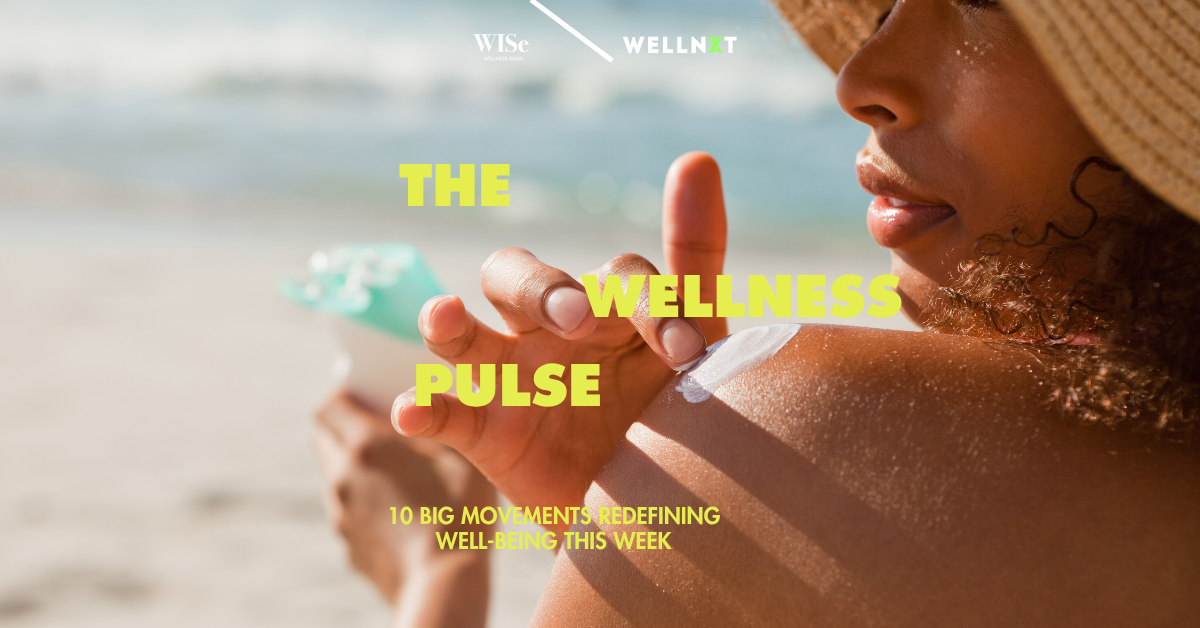
This week’s wellness headlines point to a category that is getting more precise, more practical, and more embedded in everyday routines.
Sun care is becoming measurable. Menopause support is moving deeper into mainstream tech. Protein is still expanding beyond the gym. GLP-1s are reshaping how companies talk about longevity, aesthetics, and everyday nutrition. And across food, beauty, sleep, and digital health, the brands getting attention are the ones making wellness feel useful, specific, and easier to act on.
Here are 10 stories shaping the future of wellness this week.Here are the 10 signals shaping the week.
1) Sun-exposure wearables could change how consumers think about SPF
Glossy reported that wearables designed to track sun exposure are entering the market, signaling a new phase for sun care that goes beyond lotion, sprays, and reapplication reminders. Instead of relying only on product usage, these tools help consumers better understand their actual exposure throughout the day.
Why it matters: Sun care is moving from seasonal beauty habit to measurable health behavior. As consumers become more comfortable tracking sleep, steps, recovery, glucose, and cycle data, UV exposure may be next.
📍 Source: Glossy
2) The FDA approved a new sunscreen ingredient for the first time in decades
NPR reported that the FDA approved bemotrizinol, a sunscreen ingredient already used in Europe and Asia. The approval marks a major update for the U.S. sunscreen category and could help brands develop more advanced, lightweight, broad-spectrum formulations.
Why it matters: Consumers want sun protection that works, feels good, and fits into daily routines. A new approved ingredient gives brands more room to innovate in a category that has been slower to evolve in the U.S
📍 Source: NPR
3) Apple is bringing menopause and perimenopause support into the Health app
CNET reported that Apple is expanding women’s health features in the Health app, including support around perimenopause and menopause. The update reflects a broader shift toward making midlife health easier to track, understand, and discuss
Why it matters: Menopause has moved from under-discussed life stage to major wellness, healthcare, workplace, and technology opportunity. When Apple builds for it, it signals that midlife women’s health is becoming mainstream infrastructure for consumer health.
📍 Source: CNET
4) Novo Nordisk’s CEO is looking beyond weight loss
Fortune reported that Novo Nordisk’s CEO is looking beyond Ozempic and Wegovy’s weight-loss impact toward broader conversations around longevity and aesthetics. It is another sign that GLP-1s are reshaping more than obesity care.
Why it matters: GLP-1s continue to influence food, fitness, retail, beauty, longevity, and healthcare. As the conversation expands, brands will need to be careful, credible, and nuanced in how they speak to this consumer.
📍 Source: Fortune

5) PepsiCo is making protein central to its functional beverage strategy
David Protein’s newest launch, a high-protein frozen dessert line, reportedly sold out in 28 minutes after launching online. The product brings the brand’s protein-first positioning into the freezer aisle with pints designed around high protein, low sugar, and indulgent flavor.
Why it matters: Protein is no longer just for athletes. Consumers are looking for convenient ways to support muscle, satiety, energy, recovery, and healthy aging throughout the day.
📍 Source: Yahoo Shopping
6) Stars + Honey secured growth investment from VMG Partners
BusinessWire reported that collagen protein bar brand Stars + Honey secured a minority growth investment led by VMG Partners. The brand plans to use the funding to support omnichannel expansion, product development, and a larger manufacturing footprint.
Why it matters: The protein bar category is crowded, but consumers are still responding to products that combine function, taste, clean-label positioning, and premium storytelling.
📍 Source: Business Wire
7) Tom Brady launched Good Nut coconut water with Gopuff
USA Today reported that Tom Brady launched Good Nut, a coconut water brand created in partnership with Gopuff. The line taps into continued demand for hydration products that feel cleaner, simpler, and more lifestyle-driven.
Why it matters: Athlete-backed wellness brands are still powerful, especially when they connect performance habits to everyday consumer routines. Hydration remains one of the easiest entry points into wellness.📍 Source: USA Today
8) Sleep Or Die is bringing anti-wellness energy to sleep support
Beauty Independent profiled Sleep Or Die, a sleep brand that has built buzz with rebellious branding, community feedback, and a less polished approach to wellness. The brand reportedly built a large waitlist and leaned into customer input before launching its Sleep Strips.
Why it matters: Consumers are tired of wellness brands that all sound the same. Sleep Or Die shows that there is room for sharper positioning, humor, and honesty in a category often dominated by calm, clinical, or minimalist branding.
📍 Source: Beauty Independent

9) Elation Health acquired women’s health EHR startup Aster
Elation Health announced its acquisition of Aster, an AI-native EHR focused on women’s health. The move is part of a larger push to bring more agentic AI capabilities into primary care workflows.
Why it matters: Women’s health innovation is not only happening in apps and consumer products. It is also happening behind the scenes in clinical systems, practice operations, and provider tools.
📍 Source: Elation Health
10) Cal AI’s founder sold the startup to MyFitnessPal and is now building an anti-doomscrolling product
Inc. reported that 19-year-old Cal AI founder Zach Yadegari sold his AI calorie-tracking startup to MyFitnessPal and is now building Flow, a product designed to help users reduce morning doomscrolling
Why it matters: The next wave of wellness tech is not only about tracking the body. It is also about protecting attention, improving routines, and helping people change behavior in small, daily ways.
📍 Source: Inc.
WISe Takeaway
This week’s stories show wellness becoming more integrated into the real decisions people make every day: what they drink, how they protect their skin, how they sleep, how they age, how they use technology, and how they understand their bodies.
The throughline is specificity. Consumers are no longer satisfied with broad wellness promises. They want products, platforms, and experiences that solve a clear problem, fit into daily life, and feel credible enough to trust.
For brands, the message is clear: wellness is still growing, but the bar is higher. The winners will be the ones that make health feel more personal, more practical, and more human.
Follow WISe Wellness Guild on LinkedIn and Instagram for next week’s Wellness Pulse.
Is your brand set up for success in the wellness industry? Take our WISe Brand Blueprint Assessment or schedule a free discovery call to get started.
📌 Follow WISe Wellness Guild on LinkedIn and Instagram for next week’s Wellness Pulse.