

We Don't Need More Wellness. We Need More Trust.
Why America's greatest health challenge isn't a lack of information—it's a lack of trust.
By Stevi Gable Carr
There was a statistic that stopped me in my tracks recently.
Not because it was surprising.
Because it finally explained what I've been seeing for years.
The latest State of the Nation report paints a sobering picture: while our economy has grown dramatically over the past three decades, Americans are reporting lower life satisfaction, higher rates of loneliness, rising mental health challenges, increasing deaths of despair, and declining trust in institutions. At the same time, the Global Wellness Institute estimates the global wellness economy has grown into a nearly $7 trillion industry, with the U.S. leading the world in wellness spending.
So here's the uncomfortable question:
If wellness is booming, why aren't people actually becoming well?
As someone who has spent two decades helping organizations, leaders, and communities navigate change—and as a mother raising a son in today's world—I don't believe we're experiencing a wellness deficit.
I believe we're experiencing a connection deficit.
And beneath that...A trust deficit.
Not simply trust in government or healthcare.
Trust in each other. Trust in information. Trust in our communities. Trust in the systems that are supposed to help us thrive.
I think that's the real challenge hiding in plain sight.
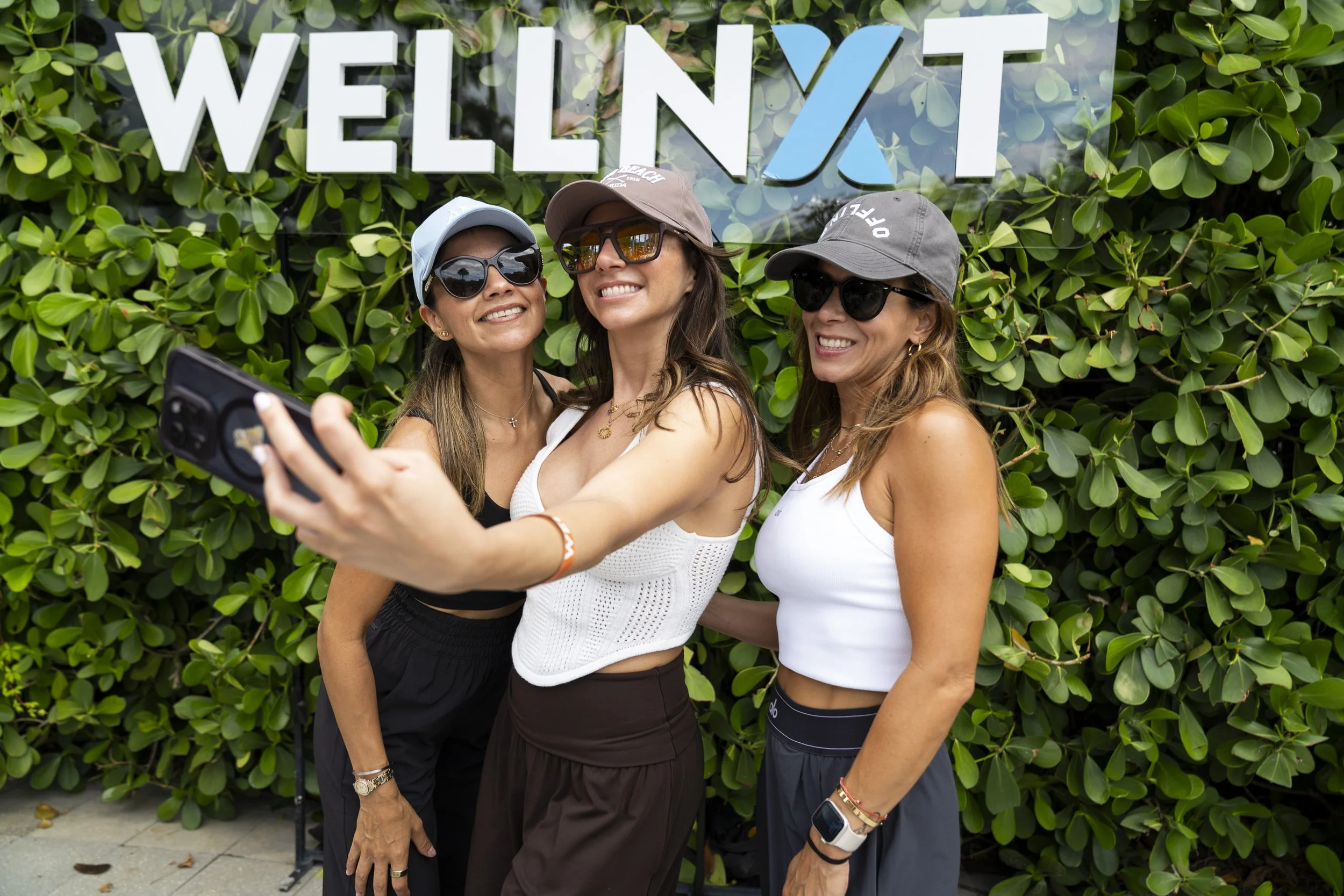
We've Built a Wellness Economy. But Have We Built a Healthier Society?
Every week, I coach executives responsible for thousands of employees.
Five years ago, our conversations centered on strategy.
Today, they center on exhaustion. Purpose. Belonging. Psychological safety.
Leaders aren't asking how to squeeze another percentage point out of productivity. They're asking why talented people feel disconnected despite being more connected digitally than ever before.
Consumers aren't drowning because information is scarce. They're drowning because information is abundant—and trust is scarce.
Consumers don't have an information problem. They have a trust problem.
We have more wellness podcasts than ever.
More supplements. More wearables. More recovery devices. More health influencers. More data. More personalization.
And somehow...
More confusion.
Perhaps we've mistaken access to information for access to health.
Those aren't the same thing.
Loneliness Isn't Just an Emotion. It's Infrastructure.
We often talk about loneliness as though it's an individual experience.
I don't think it is anymore. Loneliness has become infrastructure.
When rural hospitals close, loneliness grows.
When healthy food is forty minutes away because an entire community lives in a food desert, health begins to deteriorate long before disease appears.
When families can't find affordable childcare, stress compounds.
When older adults lose transportation, isolation follows.
When children spend more time with algorithms than adults who know their names, something fundamental changes.
When healthcare becomes transactional instead of relational...
Trust erodes. These aren't separate issues. They're connected systems.
As a mother, I think about this constantly. My son is growing up with unlimited access to information. What he doesn't automatically have is certainty. Or community. Or trusted guides. He doesn't need another app reminding her to breathe someday. He needs adults who notice when she's struggling. Communities that know his name. Teachers who see potential before performance. Healthcare providers who treat the whole person. Neighbors who still wave.
That's wellness.
No app fixes the absence of belonging.

What Intentional Change Really Teaches Us
My executive coaching practice is rooted in Intentional Change Theory, which proposes that lasting change doesn't begin by fixing what's wrong.
It begins by reconnecting people to who they want to become.
That distinction matters.
Because wellness has become incredibly good at selling optimization.
But most people aren't asking to optimize.
They're asking:
To feel okay.
How to sleep through the night.
How to support aging parents.
How to navigate financial stress.
How to raise resilient children.
How to find community after moving to a new city.
How to keep showing up when life feels heavy.
Those aren't optimization problems. They're human problems.
And human problems are rarely solved in isolation.
The Missing Infrastructure
Over the years, I've become convinced that wellness isn't simply a healthcare issue.
Or a consumer issue. Or even a personal responsibility issue.
It's an infrastructure issue.
I call it Trust Infrastructure.
Trust Infrastructure is the network of relationships, institutions, environments, and experiences that make healthy decisions easier—and more likely.
It exists wherever people consistently encounter trusted guidance, trusted relationships, and trusted opportunities to take meaningful action.
Strong Trust Infrastructure includes:
Trusted people who earn credibility through expertise and empathy.
Trusted information that is evidence-based and understandable.
Trusted places where people genuinely belong.
Trusted systems that reduce friction instead of creating it.
Trusted experiences that transform intention into action.
When trust is strong, healthier choices become easier.
When trust is weak, even the best resources often go unused.
Why This Matters for Business
This isn't just a public health conversation.
It's a business conversation.
Organizations with high trust consistently outperform those without it.
Communities with stronger social connections experience better health outcomes.
Employees who feel psychologically safe innovate more readily.
Consumers increasingly buy from brands they believe—not simply brands they recognize.
Trust is becoming one of the most valuable forms of capital an organization can build.
Not because it's a nice thing to have.
Because it's increasingly a competitive advantage.
Why We Built WISe.
Why We Built WellNXT.
This belief is why I founded WISe.
And why we later launched WellNXT.
Neither exists because the world needs another wellness platform.
The world needs more trusted connectors.
More places where healthcare providers, employers, nonprofits, local businesses, researchers, coaches, families, and communities don't simply coexist—they collaborate.
Where movement happens next to conversations about mental health.
Where financial wellness sits beside nutrition.
Where a parent discovers resources they didn't know existed.
Where someone who showed up for a workout leaves with a physician, therapist, coach, nonprofit partner, or community they can actually rely on.
Those moments don't happen by accident.
They happen when we intentionally design environments that cultivate trust.
That's what we're really building.
A Different Measure of Success
If we're serious about reversing the trends we're seeing, we have to stop treating wellness like another consumer category.
Wellness is:
Economic infrastructure.
Healthcare infrastructure.
Leadership infrastructure.
Educational infrastructure.
Community infrastructure.
And perhaps most importantly...
It's trust infrastructure.
The next decade won't belong to the companies that convince us to buy one more product. It will belong to the leaders, organizations, and communities that help people feel seen.
Help people feel connected.
Help people feel confident enough to take the next healthy step.
Because people rarely change when they simply have more information. They change when they trust the person, the place, and the process enough to begin.
And maybe that's the future of wellness. Not more optimization.
More trust.
I’d love to share more thoughts on this with you. If you’re interested, let’s chat further regarding Trust Infrastructure, Human Flourishing and connection!