Well-being keeps expanding — from workplace culture to global festival experiences to everyday habits like snacking and micro-movement. This week’s Pulse highlights how wellness is becoming richer, more social, more strategic, and more integrated into daily life and business outcomes.
Workplace Wellness Goes Mainstream — McKinsey Says It’s Non-Negotiable
A new McKinsey report frames employee health and wellbeing programs as strategic imperatives — not perks. Organizations committing to holistic wellness see reduced absenteeism, higher engagement, better productivity, and even improved retention, positioning wellness as a core leadership investment.
Why it matters: Wellness now directly influences business results. Companies ignoring it risk talent loss and underperformance.
📍 Source: McKinsey Workplace Wellness Insight
2. Employees with Wellness Support Are Crushing Performance Metrics
The 2026 State of Work-Life Wellness Report shows that 89 % of employees link wellness programs with better performance at work, and participation correlates with higher physical and mental wellbeing.
Why it matters: This builds the case for ROI-driven wellbeing strategies that extend beyond yoga classes to measurable business outcomes and cultural shifts.
📍 Source: Wellhub 2026 Work-Life Wellness Report
3. 15-Minute Workplace Challenges Supercharge Health Habits
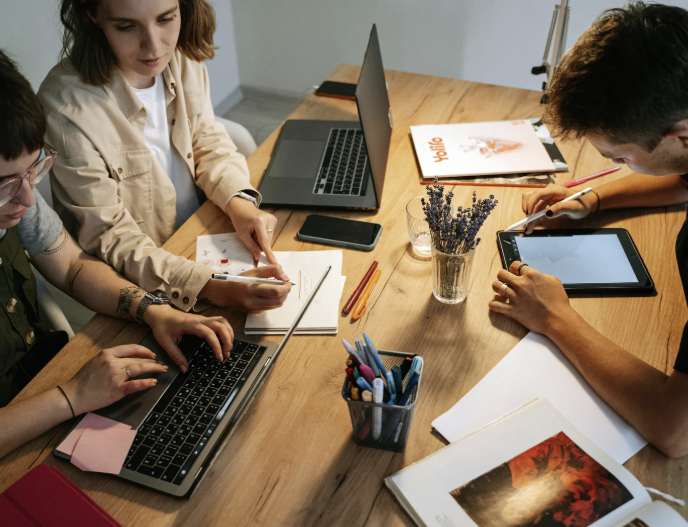
Research into workplace 15-Minute Challenges — where employees add short, consistent bouts of movement — shows dramatic gains in daily physical activity, energy levels, mood, sleep quality, and overall health. Participation also increases adherence to activity guidelines.
Why it matters: Short, social, gamified movement boosts engagement and helps overcome common barriers to exercise, making it a powerful wellness program feature.
📍 Source: Workplace Physical Activity Study
4. Micro-Movement and “Exercise Snacks” Become Big Wellness Wins
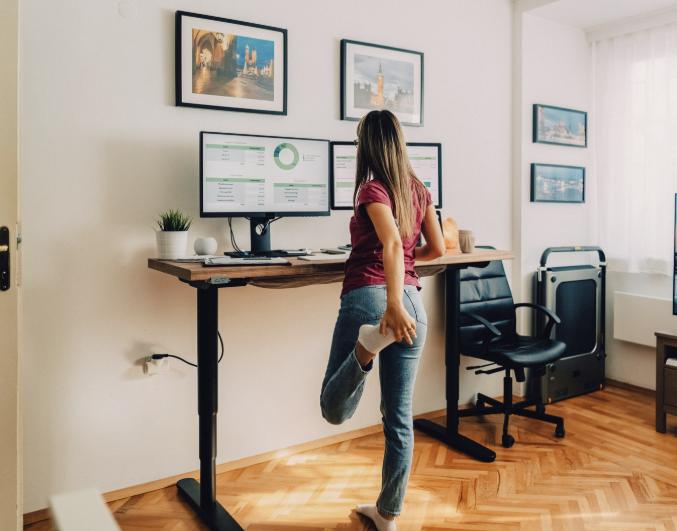
The trend toward micro-movements and short movement bursts is emerging as a sustainable way to counter sedentary behavior. Quick mobility bursts — even 5–10 minutes scattered throughout the day — can improve circulation, heart health, cognitive focus, and mood.
Why it matters: Wellness offerings that embed short activity breaks into everyday rhythms — especially at work — align with real life and drive long-term behavior change.
📍 Source: Wellness and Movement Trend Coverage
5. Healthy Snacking Isn’t a Fad — It’s a $115B Market (and Growing)
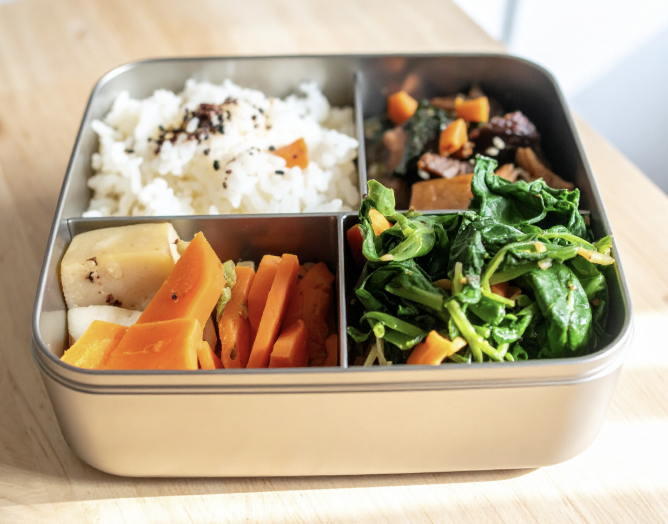
The global healthy snacks market is exploding, projected to exceed $115 billion in 2026, driven by demand for fiber, protein, savory flavors, and functional ingredients.
Why it matters: Healthy snacking isn’t niche; it’s massive consumer behavior — an opportunity for brands and workplace programs to fuel wellness through taste, convenience, and nutrition.
📍 Source: Healthy Snacks Market Forecast
6. Healthy Snack Trends: Fiber, Protein & Whole Grains Lead the Pack
Today’s snack evolution prioritizes fiber, protein, and whole grains as core structural pillars of healthier bites — not just garnish ingredients.
Why it matters: Consumers want snacks that deliver both nutrition and satisfaction — essential for sustained wellness adoption and brand relevance.
📍 Source: Snack Trends Insight
7. California Wellness Festival Signals Experiential Health Culture
The Sweat Life Festival (San Diego, CA) — a two-day fitness and lifestyle celebration in June 2026 featuring live music, group classes, strength & functional challenges, recovery tech, healthy eats, and vendor activations — ideal for capturing the convergence of fitness culture and festival community.
Why it matters: Festivals are increasingly wellness platforms — not just marketing mics — where brands, consumers, and experts converge to shape lifestyle norms.
📍 Source: Sweat Life Festival
8. Litchfield & Dublin Wellness Gatherings Bring Global Perspectives
Wellness isn’t localized — Litchfield Wellness Festival (community-centric) and Europe’s WellFest (large-scale outdoor wellness celebration) spotlight diverse approaches to movement, mindfulness, education, and connection.
Why it matters: These festivals reflect how wellness is both communal and experiential — a travel-ready engine for education, discovery, and culture-building.
📍 Source: Global Wellness Festival Roundup
9. Global Wellness Day 2026 Brings Well-Being Into Work Life
Global Wellness Day (June 13) is more than symbolic — it’s becoming a workplace catalyst for resilience, joy, and healthy habits, encouraging guided sessions, nutrition moments, and shared experiences that build culture.
Why it matters: Shared wellness observances humanize workplace culture, reinforcing that care isn’t optional — it’s strategic.
📍 Source: Global Wellness Day Work Guide
10. Workplace Culture Meets Snackable Fun & Connection
Wellness pop-ups are becoming a clever tactical play in workplace wellbeing — from quick mobility classes to healthy snack stations that spark delight and connection during the day.
Why it matters: Small, surprise wellness activations can shift energy and mindset — and are perfect low-lift, high-impact program add-ons.
📍 Source: Wellness Pop-Up Event Inspiration
✨ WISe Takeaway
Well-being continues its transformation into everywhere-wellness — it lives in company culture, daily habits, snack choices, and community experiences. Leaders and brands that build ecosystems — not campaigns — will win. Embed habits into moments people already live, and you’ll shape outcomes that are healthy, human, and strategic.
Follow WISe Wellness Guild on LinkedIn and Instagram for next week’s Wellness Pulse.
Is your brand set up for success in the wellness industry? Take our WISe Brand Blueprint Assessment or schedule a free discovery call to get started.