

The Wellness Pulse: The Future of Wellness Is Both High-Tech and Back-to-Basics

This week’s Pulse shows just how wide the wellness industry has become. On one end, brands are leaning into data, diagnostics, recovery, longevity, performance tracking, and athlete-backed investment. On the other, some of the most powerful wellness movements are still rooted in the simplest habits: walking, movement, community, and routines people can actually sustain.
The throughline? Wellness is no longer one category, one product, or one trend. It is becoming an ecosystem that spans technology, retail, fitness, food, recovery, sport, healthcare, and culture. The brands and leaders that stand out will be the ones that make wellness feel credible, accessible, engaging, and relevant to real life.
1) Novak Djokovic Joins General Atlantic as Global Strategic Advisor
Novak Djokovic has joined private equity firm General Atlantic as a global strategic advisor, bringing his perspective on leadership, resilience, performance, and innovation to the firm’s leadership, portfolio companies, and investors.
Why it matters: This is another signal that elite athletes are becoming more than spokespeople. They are moving into investment, advisory, and ownership roles where their lived expertise in discipline, performance, recovery, and brand-building can shape business strategy. For wellness, fitness, and sports companies, athlete credibility is becoming a serious asset.
📍 Source:TechCrunch
2) Amazfit Launches Helio Strap Pro for HYROX and Hybrid Training
Amazfit introduced Helio Strap Pro, a body-worn training system designed for HYROX and hybrid athletes. The system helps capture heart rate, movement quality, stability, muscle load, and fatigue during training.
Why it matters: Wearables are moving beyond steps, calories, and wrist-based tracking. As hybrid training grows, athletes and everyday fitness enthusiasts want more precise data on how their bodies move under load. This points to the next phase of performance tech: smarter, more contextual, and built for the way people actually train.
📍 Source: Business Wire
3) Ultrahuman Launches M2 Live in the U.S. With Abbott Lingo CGM
Ultrahuman launched M2 Live in the U.S., integrating Abbott’s Lingo continuous glucose monitor with the Ultrahuman app to provide real-time metabolic insights. The platform is designed to help users better understand how food, sleep, stress, activity, and recovery influence glucose and metabolic patterns.
Why it matters: Metabolic health is becoming a mainstream wellness conversation. CGMs are no longer only being discussed in clinical or diabetes-specific contexts; they are becoming part of the consumer health toolkit for people interested in energy, performance, prevention, and personalized nutrition. The opportunity will be helping consumers interpret the data without turning wellness into another source of anxiety.
📍 Source: Digital Health News
4) lululemon Launches Summer Series Fitness Classes Across North America
lululemon’s Summer Series 2026 offers free yoga, Pilates, Sculpt, and fitness experiences across North America, with classes hosted in stores, studios, and local venues.
Why it matters: This is experiential marketing that actually serves the community. For activewear and wellness brands, IRL programming creates belonging, builds trust, and gives consumers a reason to connect with the brand beyond a product purchase. It also reinforces a growing trend: movement as a community-building strategy.
📍 Source: Athletech News
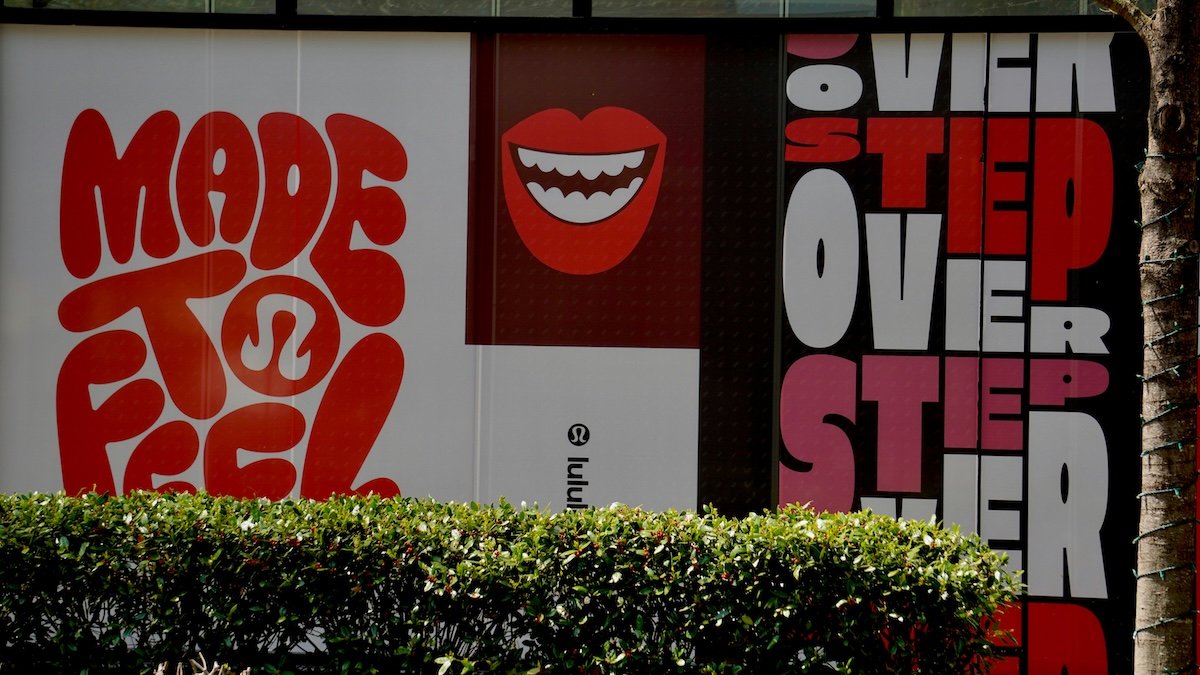
Photo by Koushalya Karthikeyan on Unsplash
5) STILLE Raises A$10M for Melbourne Recovery and Longevity Club
STILLE raised A$10M ahead of opening its Melbourne recovery and longevity club in late 2026. The members club is expected to blend social bathing, recovery technologies, and health diagnostics designed to support longevity.
Why it matters: Recovery is becoming its own premium wellness category. This raise shows continued investor interest in high-touch, destination-based wellness models that combine community, diagnostics, and recovery tools. It also reflects the rise of wellness real estate: spaces designed not just for fitness, but for restoration, connection, and long-term health.
📍 Source: Global Wellness Summit
6) The Vitamin Shoppe Releases Its 2026 Health & Wellness Trend Report
The Vitamin Shoppe’s 2026 report identifies five major consumer trends shaping supplements and wellness retail: fiber, liver health, supplement transparency, trademarked ingredients, and flavor innovation.
Why it matters: Consumers are becoming more informed and more discerning. Innovation still matters, but so do trust, transparency, clear labeling, clinically backed ingredients, and products that fit into daily life. The future of supplements will not be won by hype alone. It will be won by credibility, clarity, and consistency.
📍 Source: PR Newswire
7) Walking Is Having a Moment as Wellness Gets More Expensive
As wellness becomes increasingly expensive, walking is gaining renewed attention as a low-cost, accessible, and effective health habit. The piece explores why walking continues to resonate in a wellness culture often dominated by boutique memberships, devices, supplements, and optimization tools.
Why it matters: This is the counterbalance the wellness industry needs. While high-tech and high-end wellness continue to grow, accessible habits still matter. Walking is simple, social, sustainable, and available to more people than many premium wellness offerings. For brands and communities, it is a reminder that wellness does not always need to be complicated to be meaningful.
📍Source: Forbes
8) Wellness Resorts Are Opening Up to Kids and Tweens
A growing number of wellness resorts are expanding beyond adults-only retreats and introducing programming for kids, tweens, teens, and multigenerational families. Condé Nast Traveler highlights properties like Miraval Berkshires, Canyon Ranch, Chiva-Som, Joali Being, Six Senses, and Four Seasons Resort Punta Mita, which are adding family-focused offerings around movement, mindfulness, nutrition, stress management, nature, and connection.
Why it matters: Wellness travel is no longer being positioned only as a solo reset or adult escape. It is becoming a family experience that helps introduce healthy habits earlier and makes wellbeing part of shared culture, not just individual self-care. For resorts, brands, and wellness leaders, this opens the door to more inclusive programming that supports parents, children, teens, and caregivers together.
📍 Source: Condé Nast Traveler
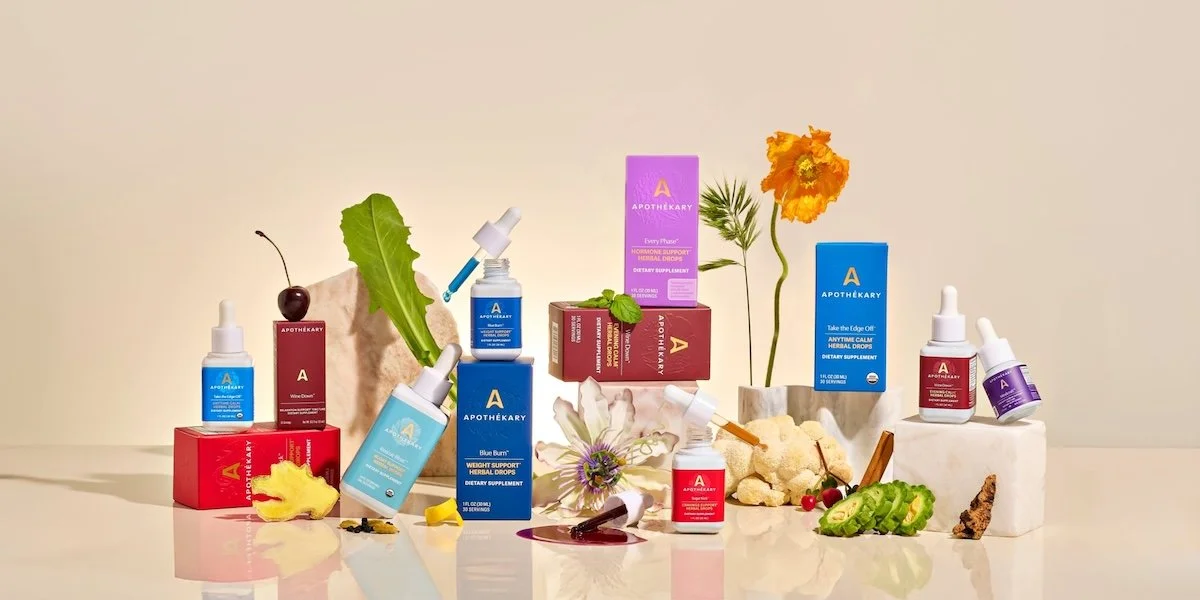
9) Apothékary Raises $16M to Fuel Retail Growth and Product Innovation
Herbal tincture brand Apothékary raised $16 million in fresh funding, including $10 million in venture capital and $6 million in debt financing. The funding will support the brand’s retail expansion and continued product innovation across its functional wellness portfolio.
Why it matters: Functional wellness brands are moving deeper into mainstream retail, especially as consumers look for alternatives that feel natural, routine-based, and targeted to specific needs like stress, sleep, mood, and energy. Apothékary’s raise also shows how modern wellness brands are blending education, social proof, digital discovery, and shelf presence to drive conversion both online and in-store.
📍 Source: Beauty Independent
10) GLP-1 Drugs May Help Lower Cardiovascular Risks
New research continues to show that GLP-1 medications, including drugs used for diabetes and weight management, may help reduce cardiovascular risks for certain patients. Healthline reports that these medications may support heart health by helping address factors such as weight, blood pressure, blood sugar, and other metabolic markers, though they are still meant to be used under medical supervision and alongside healthy lifestyle habits.
Why it matters: The GLP-1 conversation is expanding well beyond weight loss. As more research explores their potential impact on heart health, metabolic health, inflammation, and chronic disease prevention, these medications are becoming part of a much bigger wellness and healthcare conversation. For brands, providers, and consumers, the opportunity is to approach this space with nuance: GLP-1s may be powerful tools for some people, but they are not a substitute for personalized care, sustainable habits, or trusted medical guidance.
📍 Source: Healthline
WISe Takeaway
Wellness is growing in two directions at once.
It is becoming more advanced, with CGMs, movement intelligence, diagnostics, longevity clubs, performance data, and new medical conversations around metabolic and cardiovascular health. But it is also becoming more grounded, with walking, community fitness, better daily habits, and simpler routines gaining cultural momentum.
For brands, the opportunity is not to choose between high-tech and human. It is to understand where each one belongs. The most effective wellness experiences will use innovation to support real life, not overwhelm it. They will build trust through transparency, create connection through community, and make wellbeing feel both aspirational and accessible.
Follow WISe Wellness Guild on LinkedIn and Instagram for next week’s Wellness Pulse.
Is your brand set up for success in the wellness industry? Take our WISe Brand Blueprint Assessment or schedule a free discovery call to get started.
📌 Follow WISe Wellness Guild on LinkedIn and Instagram for next week’s Wellness Pulse.