

This week’s wellness headlines reveal an industry moving toward deeper integration. Mental health treatments are attracting major pharmaceutical investment, medical technology companies are addressing emotional wellbeing, and food platforms are exploring how artificial intelligence could turn health data into everyday nutrition decisions.
At the same time, physical spaces are being redesigned around how people want to feel and connect. From women-centered clubs and urban social spas to countryside retreats and global hotel portfolios, wellness is becoming less isolated and more experiential. The brands gaining ground are not simply selling products or services. They are building ecosystems that bring health, hospitality, community, technology, and culture together.
1) Eli Lilly Makes a $3.8 Billion Bet on Psychedelic Medicine
Eli Lilly has agreed to acquire psychedelic-drug developer AtaiBeckley in a deal valued at up to $3.8 billion. The acquisition gives Lilly access to BPL-003, an experimental nasal-spray therapy being developed for treatment-resistant depression.
The candidate is based on a synthetic form of the psychedelic compound 5-MeO-DMT and is entering late-stage clinical development. The agreement includes $2.8 billion in upfront cash, with another $1 billion tied to development and regulatory milestones.
Why it matters: Psychedelic medicine is moving from the edges of wellness and biotechnology into mainstream pharmaceutical development. Lilly’s investment signals growing institutional confidence in the category, but it also underscores the importance of distinguishing evidence-based, medically supervised treatments from recreational use and unregulated wellness claims.
📍 Source:CNBC
2) Soho House Brings Its Countryside Wellness Model to the Hudson Valley
Soho House plans to open Soho Farmhouse Hudson Valley in 2028, marking the first North American location for its countryside retreat concept. The property will occupy a 250-acre former working farm in Rhinebeck, New York, within reach of travelers coming from New York City.
The development will include 45 rooms and cabins, restored 19th-century buildings, restaurants, social spaces, a large health club, a spa, an outdoor pool, and hiking and biking trails. Although Soho House is known for private membership, overnight accommodations will also be available to the public.
Why it matters: Wellness hospitality is evolving beyond the traditional destination spa. Consumers increasingly want environments that combine nature, movement, restoration, design, food, and social connection. Soho Farmhouse reflects the growing appeal of accessible rural escapes that offer both privacy and community without requiring guests to disconnect completely from culture or city life.
📍 Source:Globetrender
3) The Pearl Creates an Intergenerational Third Space for Women and Girls
The Pearl is a women-centered wellness club on Manhattan’s Upper East Side that brings fitness, socializing, personal development, and shared workspace into one 5,500-square-foot environment.
Founded by former professional dancer Marcella Guarino Hymowitz, the club offers dance and sculpt classes, mindfulness workshops, nutrition education, book events, social gatherings, and programming for girls and teens. Its intergenerational model allows women and their daughters to participate in wellness activities together rather than scheduling separate experiences.
Why it matters: The next generation of wellness clubs may compete less on equipment and luxury amenities and more on belonging. The Pearl positions wellness as a shared family and community experience, while addressing the need for “third spaces” outside the home and workplace. Its word-of-mouth growth also shows that smaller, highly specific communities can build loyalty without relying on mass-market distribution.
📍 Source: AOL
4) Wonder Wants AI to Choose—and Deliver—Your Meals
Food-technology company Wonder has raised more than $650 million in a Series D funding round at a $9 billion valuation. Founder Marc Lore has also said the company is preparing for a potential public offering in early 2027.
Wonder’s larger ambition extends beyond restaurant delivery. Lore envisions an AI-powered platform that uses information such as blood biomarkers, body-composition data, personal goals, food preferences, and budgets to select meals for consumers and coordinate their preparation and delivery. Wonder’s growing ecosystem includes its food halls, Grubhub, and Blue Apron.
Why it matters: Personalized nutrition could move from recommendations and tracking tools to automated execution. A platform that connects health data directly to meal selection and fulfillment could remove friction from healthy eating, but it also raises significant questions about privacy, nutritional transparency, affordability, and how much decision-making consumers are willing to delegate to an algorithm
📍 Source: Yahoo! Finance

5) Sam’s Club Uses Experiential Wellness to Reframe the Warehouse Club
Sam’s Club hosted its first Sam’s Wellness Club event in Manhattan, despite not operating a store in New York City. The activation brought creators, media representatives, and merchants together for an immersive presentation of the retailer’s health and wellness assortment.
The event combined food, beauty, apparel, supplements, and fitness products with experiences including a group sculpt workout, massage chairs, product sampling, and other demonstrations. Rather than presenting each department separately, Sam’s Club framed its offerings as one connected ecosystem supporting members’ daily wellness routines.
Why it matters: Retailers are moving beyond stocking wellness products and beginning to package wellness as a lifestyle, experience, and content strategy. By showing how products fit together in real life, Sam’s Club can make a broad warehouse assortment feel more curated and approachable. The activation also demonstrates how brands can use creators to translate products into routines consumers can understand and replicate
📍 Source: Modern Retail
6) Oura’s World Cup Campaign Turns Recovery Into a Global Brand Story
Oura made one of the largest marketing investments in its 11-year history around the 2026 FIFA World Cup. The wearable company used partnerships, athlete ambassadors, advertising, and live sports moments to connect its sleep and recovery technology with the world’s most-watched sporting event.
Oura CMO Doug Sweeny said the reach and impressions generated by the campaign exceeded expectations. The company plans to apply what it learned to its marketing around the 2027 Women’s World Cup in Brazil and the 2028 Olympic Games in Los Angeles.
Why it matters: Sports partnerships can help wellness brands turn performance data into a compelling mainstream story. Oura’s strategy goes beyond logo placement by showing how sleep, stress, recovery, and readiness affect athletes in real time. It also illustrates the opportunities and risks of investing in live sports, where team results, athlete performance, and cultural moments can rapidly change a campaign’s impact.
📍 Source: Glossy
7) PwC Says Consumer Health Innovation Should Start With Wellness Goals
PwC is encouraging consumer health companies to build innovation strategies around the outcomes people want rather than relying exclusively on traditional product categories.
Its 2026 Voice of the Consumer research surveyed 21,808 people across 27 countries and found that health is becoming more continuous, personalized, and integrated into daily routines. Consumers are pursuing a wide range of goals, including better sleep, stress reduction, weight management, personal development, appearance, and greater self-confidence.
Why it matters: Consumers do not necessarily think about supplements, OTC medicine, food, beauty, fitness, wearables, and mental health as separate industries. They think about the outcome they want. Companies that organize around those goals can create more relevant products, partnerships, services, and experiences while supporting a broader shift from reactive treatment to everyday prevention..
📍 Source: HBW Insight/Citeline
8) Bota Bota’s Expansion Reflects the Rise of Social Wellness
Montreal’s Bota Bota floating spa has completed a major expansion that adds a second vessel to its location in the city’s Old Port. The approximately $20 million project expands the destination’s capacity and introduces additional thermal experiences, gathering areas, and a large sauna designed for Aufguss ceremonies.
The investment builds on Bota Bota’s identity as an urban wellness destination where visitors can move between hot and cold therapies, relaxation, hospitality, and shared experiences without leaving the city..
Why it matters: Spas are becoming more social. While quiet and solitude remain important, many consumers also want wellness environments where they can spend time with friends, participate in rituals, and feel part of a community. Bota Bota shows how a distinctive, place-based wellness concept can support social connection while strengthening a city’s tourism and hospitality identity.
📍 Source: Montreal Gazette
9) Marriott and Lefay Point to the Future of Wellness Co-Branding
Marriott International has completed a joint venture with the family behind Lefay Resorts & Residences, bringing the Italian luxury wellness brand into Marriott’s global portfolio. Lefay will become Marriott’s first brand dedicated exclusively to luxury wellness.
Beyond Lefay’s existing and planned resorts, the agreement gives Marriott access to a specialized wellness identity and operating model. The Lefay SPA Method integrates treatments, nutrition, movement, staffing, training, and hospitality standards into a cohesive guest experience.e.
Why it matters: As wellness becomes a more influential driver of luxury travel, large hotel companies do not need to develop every capability internally. Co-branding with an established wellness operator can provide credibility, specialized expertise, and a differentiated methodology. The opportunity is not simply to add a better spa, but to build a wellness experience that can scale without making every property feel interchangeable.
📍 Source: Hospitality Net
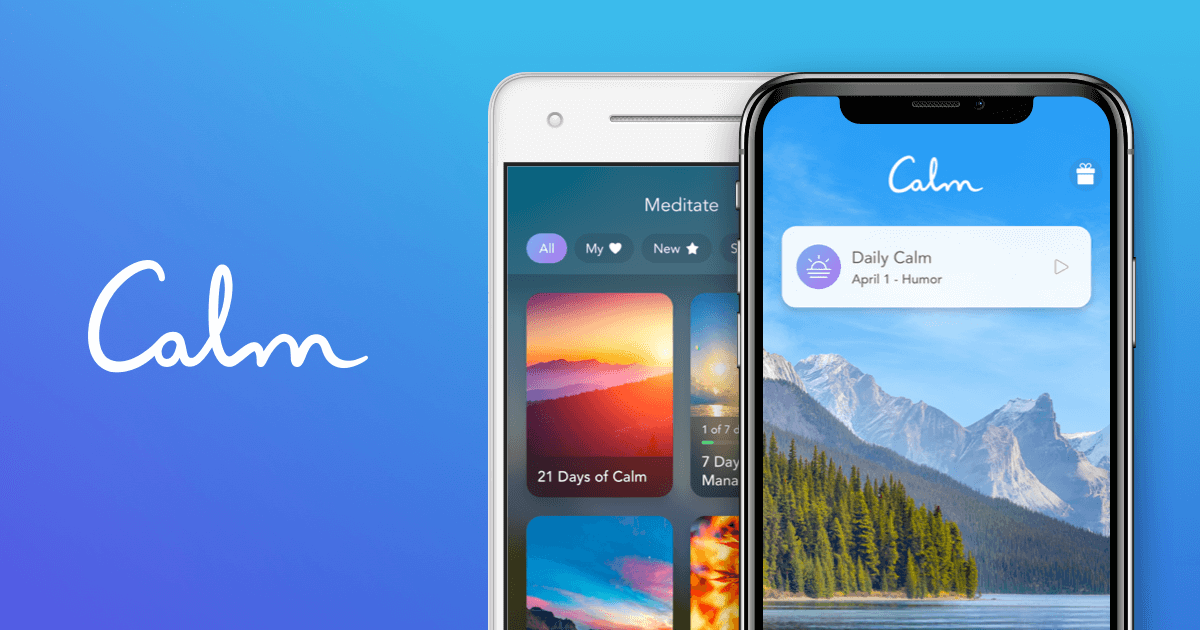
10) Calm and Omnipod Bring Mental Wellness Into Diabetes Care
Insulet, the company behind Omnipod, has partnered with Calm to launch The Mind in Range Collection. The free collection was developed specifically for people living with diabetes, their caregivers, and healthcare professionals.
The resources include short meditations, a breathing exercise, mindset tools, and a new Calm Sleep Story narrated by model and Omnipod user Lila Moss. Insulet says the collaboration is Calm’s first integrated content partnership with a medical-technology company.
Why it matters: Healthcare brands are beginning to address emotional wellbeing as part of condition management rather than treating it as an optional extra. The collaboration offers a model for cross-category partnership: a MedTech company contributes clinical context and access to a defined patient community, while a consumer wellness platform contributes approachable content and an established daily-use experience.
📍 Source: Insulet
WISe Intelligence
This week’s stories point to a wellness industry being shaped by three connected forces: integration, personalization, and belonging.
Health and wellness are no longer operating as clearly separated categories. Pharmaceutical companies are investing in psychedelic mental health treatments. MedTech brands are introducing mindfulness resources. Retailers are presenting food, beauty, fitness, and supplements as parts of one wellness ecosystem. AI-powered food platforms are moving closer to connecting personal health data with the meals people actually receive.
Physical spaces are evolving in the same direction. The Pearl brings multiple generations together through movement and personal development. Bota Bota blends restoration with social experience. Soho Farmhouse is combining nature, hospitality, and community, while Marriott is using a specialized wellness brand to strengthen its global portfolio.
The strongest opportunities will emerge when brands stop asking consumers to navigate disconnected products, platforms, and protocols. The future of wellness will belong to organizations that can connect those pieces thoughtfully—making wellbeing easier to understand, more relevant to individual goals, and more naturally integrated into the places, routines, and relationships that shape everyday life.
Stay Ahead of What’s Next in Wellness
The wellness industry is evolving quickly. WISe helps brands, health systems, and organizations turn emerging trends into clear strategy, credible positioning, and experiences that drive meaningful engagement.
Ready to move from insight to action? Work with WISe Wellness Guild. Contact us here or email us.
Follow WISe Wellness Guild on LinkedIn and Instagram for next week’s Wellness Pulse.