

The Wellness Pulse: From Smart Toilets to Functional Beer, Wellness Moves Into Daily Life
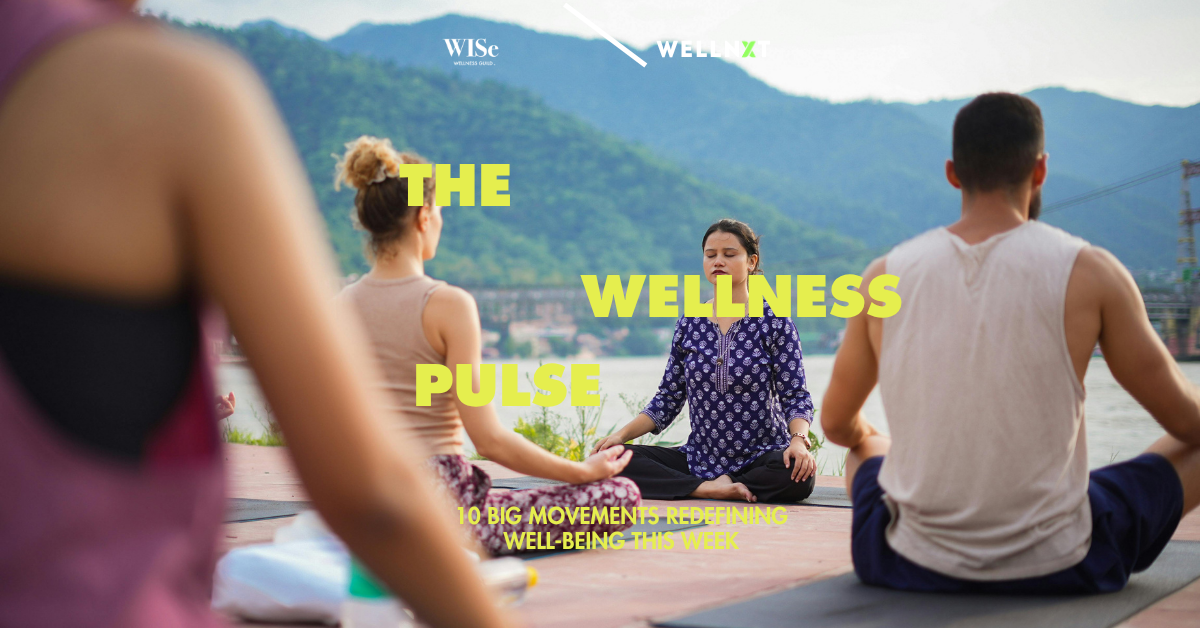
Wellness is no longer limited to the gym, spa or supplement aisle. This week’s headlines show health-oriented products, services and experiences moving into the places consumers already eat, drink, shop, work, travel and live.
From functional non-alcoholic beer and screen-free wearables to preventive healthcare memberships, workforce development and AI-powered bathroom technology, the wellness industry is becoming more integrated into everyday routines. The opportunity for brands is no longer simply to introduce another wellness product. It is to make healthier choices feel easier, more relevant and more naturally connected to consumers’ lives.
1) Hopkind Blends Non-Alcoholic Beer With Functional Wellness
Hopkind is entering the functional beverage market with a line of premium non-alcoholic beers formulated around hydration and recovery. The company’s debut IPA and lager combine traditional brewing techniques with ingredients more commonly associated with sports nutrition, including Senactiv and L-citrulline.
Rather than positioning its products solely as alcohol-free alternatives, Hopkind is introducing what it describes as a functional social beverage. The goal is to give consumers a product that supports their wellness priorities without removing the ritual and social experience associated with drinking beer.
Why It Matters: Functional beverages are expanding beyond energy drinks, juices and workout products. Hopkind demonstrates how wellness can be integrated into an existing consumer occasion rather than requiring people to adopt an entirely new habit. As alcohol moderation becomes more mainstream, brands may increasingly compete on what their products provide—not only what they remove.
📍 Source: FoodBev Media
2) Garmin Introduces a Screen-Free Health and Fitness Tracker
Garmin has launched CIRQA, its first screen-free smart band designed to provide continuous health, wellness and activity tracking without another attention-demanding display.
The $199.99 wearable tracks metrics including heart rate, stress, skin temperature, sleep, recovery and Body Battery energy levels. It can also track more than 80 activities, provide training-readiness and recovery insights and last up to 10 days on a charge. Unlike several competing wearable platforms, CIRQA does not require a subscription.
Why It Matters: Consumers want access to personal health insights, but many are also experiencing notification fatigue and trying to reduce screen time. CIRQA reflects a shift toward ambient technology that collects useful information without constantly asking for the user’s attention. The next wearable competition may center as much on reducing digital intrusion as increasing available data
📍 Source: Garmin
3) SONATA Connects Advanced Testing With Ongoing Physician Care
SONATA has launched a doctor-led preventive healthcare membership that combines advanced diagnostic testing with continued access to a physician-led care team.
The $2,500 annual membership includes in-home blood testing, whole-genome sequencing, more than 140 blood biomarkers, biological-age measurement, wearable-data integration and personalized care planning. Clinical AI helps organize and synthesize the information, while board-certified physicians remain responsible for interpretation, diagnoses, treatment decisions and member care.
Why It Matters: Consumers have access to more health data than ever, but information alone does not automatically produce better decisions. SONATA represents a broader shift from one-time testing and static dashboards toward continuous interpretation and clinical guidance. Preventive health companies will increasingly need to show how they help consumers act on their data—not simply collect more of it.📍 Source: PR Newswire
4) Wellness Retreats Are Becoming Tools for Personal Change
Travelers are increasingly choosing wellness retreats during periods of burnout, chronic health challenges and major life transitions. USA TODAY examines the experiences of guests at Hilton Head Health, an all-inclusive wellness resort in South Carolina.
Rather than treating the retreat as a temporary escape, participants use its structured environment, education, professional guidance and community support to evaluate their habits and work toward meaningful changes. The story also reflects the growing importance of rest and restoration within consumers’ travel decisions.
Why It Matters: Wellness travel is evolving beyond luxury spa services and beautiful destinations. Guests increasingly want experiences that address a specific need and provide practical tools they can continue using at home. Retreat operators that connect an immersive experience to sustainable behavior change can create deeper and more lasting value.
📍 Source: USA Today

5) Life Time Creates a Direct Hiring Path for Certified Trainers
Life Time is offering guaranteed interviews to personal trainers who earn certification through the National Academy of Sports Medicine. The initiative creates a more direct connection between professional education and employment within Life Time’s network of athletic country clubs.
The program gives NASM-certified trainers an opportunity to move more quickly from certification into the hiring process while helping Life Time build a stronger pipeline of qualified fitness professionals.
Why It Matters: As health clubs expand their services and compete on coaching quality, recruiting enough qualified trainers has become a strategic business challenge. Partnerships between certification organizations and fitness operators can reduce friction for job seekers while giving employers access to a more consistent talent pipeline. Workforce development may become one of the fitness industry’s most important growth investments.
📍 Source: Athletech News
6) PlusOne Brings Intimate Wellness Into Ulta Beauty
Intimate wellness brand PlusOne is expanding its retail presence through Ulta Beauty, bringing products associated with sexual wellness, personal care and menopause into a mainstream beauty environment.
The partnership places intimate wellness alongside other beauty and self-care categories, allowing consumers to discover products in a setting designed around education, exploration and personal wellbeing. PlusOne products are now represented across Ulta’s intimate-care and sexual-wellness assortment.
Why it matters: Retail placement influences how consumers perceive a product category. Moving intimate wellness into a familiar beauty retailer can help normalize conversations that have historically been stigmatized or treated as separate from broader self-care. It also demonstrates how retailers are expanding their definitions of beauty and wellness to reflect more complete consumer needs.
📍 Source: Beauty Independent
7) Lululemon Leads Gen Z Wellness Awareness, but Not Spending
New research reported by MediaPost found that athleisure brands hold significant health-and-wellness mindshare among Gen Z and Gen Alpha consumers. When participants were asked to name brands associated with wellness, 36% identified athleisure companies, led by Lululemon, Alo and Nike.
However, when respondents were given a hypothetical $300 wellness budget, they said they would spend no more than 15% on activewear. Healthy food received the largest portion of the budget, followed by gym memberships, supplements and skincare. The research was based on insights from more than 1,400 consumers between ages 14 and 26.
Why it matters: Brand awareness does not always translate directly into spending. Athleisure may be the most visible symbol of wellness for younger consumers, but food, fitness access, supplements and skincare appear more central to their actual priorities. Brands must distinguish between cultural relevance and commercial conversion—and understand where younger consumers believe wellness investments create the most tangible value.
📍 Source: MediaPost
8) AI-Powered Toilet Technology Brings Health Tracking Into the Bathroom
An Austin startup is using an AI-powered camera installed in a toilet to help users monitor gut health and hydration. The technology analyzes waste and other visual indicators to provide information about digestive patterns and changes over time.
The product brings passive health monitoring into one of the most routine parts of daily life, allowing consumers to collect information without manually entering meals, symptoms or bathroom habits.
Why it matters: The future of personal health tracking may extend far beyond watches, rings and fitness apps. Bathroom technology offers access to information that traditional wearables cannot easily capture, particularly around hydration and digestive health. However, brands entering this space will need to address privacy, data security, clinical credibility and the comfort level consumers have with placing cameras in highly personal environments.
📍 Source: KXAN

Image: courtesy Hayes Davidson
9) Fitness Cartel Gives Its Health Club a Hotel-Inspired Upgrade
Fitness Cartel Maroochydore has completed a $3.6 million transformation designed to make the facility feel more like a premium retreat than a traditional gym.
The nearly 3,000-square-meter club now includes more than 400 pieces of equipment, a 20-bed reformer Pilates studio, a virtual cycling studio, expanded group-fitness space, a hot-rock sauna and ice showers. Its upgraded changing rooms also include hospitality-inspired amenities such as Dyson Airwraps and GHD hair tools.
Why it matters: Consumers are evaluating fitness facilities based on the complete experience—not only the equipment or workout programming. Recovery services, design, convenience and elevated changing spaces can make exercise feel more integrated into a member’s lifestyle. As gyms borrow from hospitality, the challenge will be ensuring that premium amenities improve retention and member satisfaction rather than becoming expensive features with limited use.
📍 Source: The Courier-Mail
10) Longevity Is Moving Into Residential Design
Architects and real estate developers are incorporating health and longevity features directly into residential buildings. These systems can include real-time air filtration, fresh-air circulation, circadian lighting, acoustic design, radiant-heated floors and technology that gives residents greater control over their indoor environments.
Luxury projects such as 262 Fifth Avenue in New York City are using these features as both resident benefits and premium selling points. The approach moves wellness real estate beyond visible amenities like gyms and spas and into the infrastructure of the building itself.
Why it matters: The home is becoming an increasingly important part of the wellness ecosystem. Consumers spend much of their time indoors, making air quality, lighting, sound and ventilation potentially more consequential than occasional wellness treatments. As longevity becomes a luxury real estate differentiator, the industry will need to separate evidence-informed design from expensive wellness claims—and eventually explore how healthier buildings can become more accessible.
📍 Source: Fast Company
WISe Intelligence
This week’s stories point to a wellness industry being shaped by three connected forces: integration, personalization, and belonging.
Health and wellness are no longer operating as clearly separated categories. Pharmaceutical companies are investing in psychedelic mental health treatments. MedTech brands are introducing mindfulness resources. Retailers are presenting food, beauty, fitness, and supplements as parts of one wellness ecosystem. AI-powered food platforms are moving closer to connecting personal health data with the meals people actually receive.
Physical spaces are evolving in the same direction. The Pearl brings multiple generations together through movement and personal development. Bota Bota blends restoration with social experience. Soho Farmhouse is combining nature, hospitality, and community, while Marriott is using a specialized wellness brand to strengthen its global portfolio.
The strongest opportunities will emerge when brands stop asking consumers to navigate disconnected products, platforms, and protocols. The future of wellness will belong to organizations that can connect those pieces thoughtfully—making wellbeing easier to understand, more relevant to individual goals, and more naturally integrated into the places, routines, and relationships that shape everyday life.
Stay Ahead of What’s Next in Wellness
The wellness industry is evolving quickly. WISe helps brands, health systems, and organizations turn emerging trends into clear strategy, credible positioning, and experiences that drive meaningful engagement.
Ready to move from insight to action? Work with WISe Wellness Guild. Contact us here or email us.
Follow WISe Wellness Guild on LinkedIn and Instagram for next week’s Wellness Pulse.