

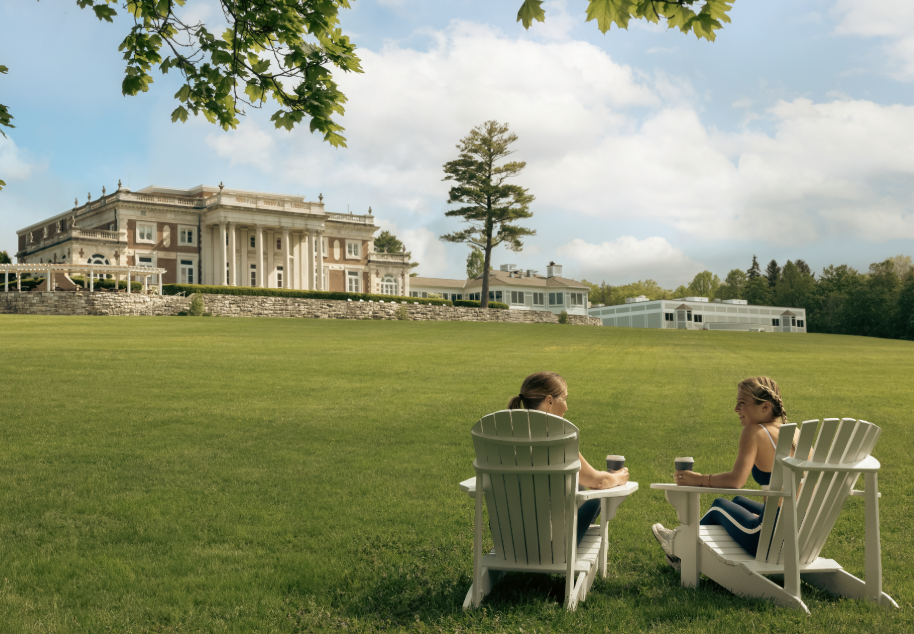
Canyon Ranch Lenox
For years, the hospitality industry has measured success by occupancy, RevPAR, and guest satisfaction. But a new metric is quietly emerging:
Did someone leave healthier than when they arrived?
According to the Global Wellness Institute, the global wellness economy reached $6.8 trillion in 2024, while wellness tourism grew to $894 billion—nearly doubling from its 2012 valuation. More importantly, wellness continues to outpace overall global economic growth.
That tells me something profound: people are no longer traveling simply to disconnect. They're traveling to recover. Reset. Learn. Perform. Heal. Connect.
The next chapter of wellness tourism won't be won by the destinations with the biggest spas or longest treatment menus. It will belong to the organizations that successfully integrate hospitality, healthcare, movement, nutrition, recovery, community, and evidence-based experiences into a seamless guest journey.
The most exciting innovators understand that wellness is no longer a department—it's the operating system.
We're seeing this evolution from brands like Canyon Ranch, CIVANA Wellness Resort & Spa, Nemacolin, Lake Nona, Six Senses, Sensei, Miraval Resorts & Spas, Carillon Miami Wellness Resort, and emerging destination experiences that are redefining what luxury hospitality can look like.
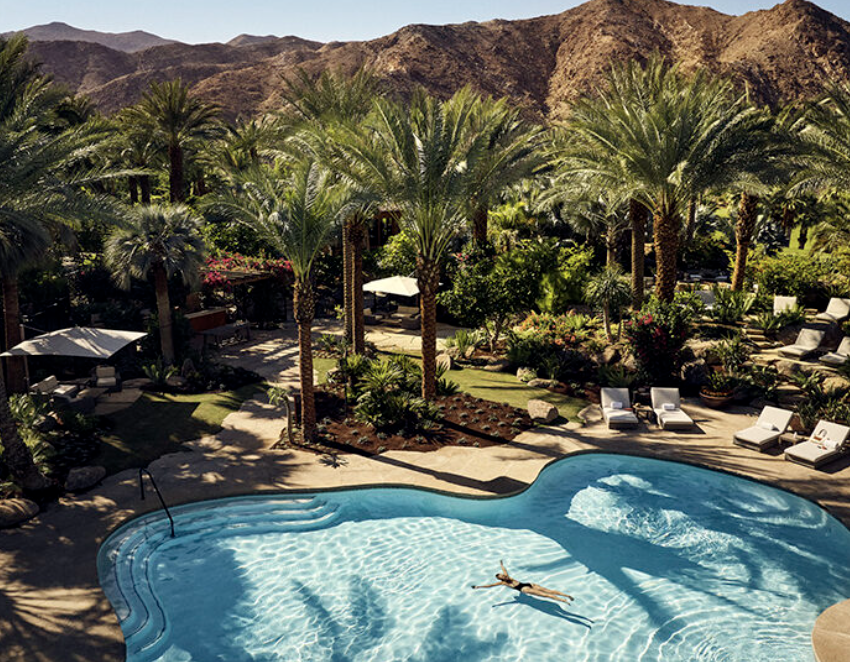
Sensei Wellbeing Retreat
But I believe the biggest opportunity still lies ahead.
The future isn't simply "wellness travel."
It's destination ecosystems where:
• Hospitality becomes preventive health.
• Communities become part of the guest experience.
• Local culture becomes a wellness asset.
• Employers send teams for resilience—not just retreats.
• Sports, entertainment, food, medicine, and tourism collaborate instead of operating in silos.
• Technology personalizes the journey—but human connection remains the differentiator.
As someone who has spent the last two decades working across healthcare, destination marketing, hospitality, professional sports, and wellness, I've become convinced that the most successful destinations won't ask, "What amenities do guests want?"
They'll ask: "Who will our guests become because they spent time with us?"
That's a much more interesting business question—and one that has the potential to create healthier people, stronger communities, and more resilient destinations.
Canyon Ranch is a compelling case study in this evolution. Founded in 1979—decades before wellness became a multi-trillion-dollar industry—it helped establish the idea that hospitality could play a meaningful role in health by integrating clinicians, nutritionists, fitness experts, behavioral health professionals, and personalized programming into one guest experience. Today, with programs like LONGEVITY8™ that combine advanced diagnostics, expert consultations, and individualized health planning, Canyon Ranch demonstrates how the conversation is shifting from indulgence to outcomes. That's where I believe the greatest opportunity lies—not creating places people simply visit, but destinations that equip people with the knowledge, habits, and confidence to sustain their wellbeing long after they return home.
The future of tourism isn't just memorable. It's measurable.

Lake Nona Upgrade Labs
The Next Decade: Five Predictions for the Future of Wellness Tourism
According to the Global Wellness Institute, wellness tourism has grown to an $894 billion global market, nearly doubling since it was first measured in 2012—and it's projected to continue outpacing the broader tourism industry in the years ahead. The wellness tourism industry is booming, but I believe we're still in the early chapters of what this industry can become. Looking ahead, I see five shifts that will fundamentally redefine how destinations create value—not just for travelers, but for employers, healthcare systems, residents, and entire communities.
1. Hospitality Will Become an Extension of Preventive Healthcare
Today's wellness experiences are largely optional enhancements. Tomorrow, they'll become part of the healthcare continuum.
Imagine arriving at a destination where your wearable data, biomarker testing, nutrition preferences, sleep history, and physician recommendations inform every aspect of your stay. Personalized movement, recovery, nutrition, stress management, and coaching won't feel like luxury—they'll become proactive healthcare delivered through hospitality.
The question will no longer be, "How was your stay?" It will be, "How did your health improve?"
2. Employers Will Become the Largest Buyers of Wellness Experiences
Today, wellness tourism is primarily a consumer purchase.
Tomorrow, I believe employers will increasingly invest in destination-based wellbeing as a business strategy. Leadership resilience retreats. Women's health experiences will be imperative.. Executive longevity programs will thrive. Caregiver restoration, burnout recovery, team performance- all will become mainstream offerings..
As organizations continue to navigate rising healthcare costs, mental health challenges, and workforce engagement, wellness destinations have an opportunity to become strategic partners—not simply travel destinations.
3. Wellness Destinations Will Become Lifelong Relationships
Most wellness brands still think in transactions: Book. Stay. Depart. The future belongs to membership.
Imagine leaving with a personalized digital health coach, quarterly biomarker reviews, AI-powered recommendations, community support, local provider referrals, and year-round engagement. The stay becomes the beginning of the relationship—not the end of it.
4. The Competitive Advantage Won't Be Amenities—It Will Be Trust
Cold plunges. IV therapy. Recovery lounges. Longevity clinics. AI. Diagnostics.
These experiences are becoming increasingly accessible.
What won't be easily replicated is trust.
Consumers are overwhelmed by wellness claims. The brands that lead the next decade will distinguish themselves through evidence, transparency, clinical partnerships, measurable outcomes, and personalized guidance—not simply the newest technology or trend.
This is where organizations like Canyon Ranch, with decades of evidence-based programming, CIVANA Wellness Resort & Spa, Lake Nona's integrated wellbeing community, Nemacolin, Six Senses, and others have an opportunity to continue setting the standard for what trusted wellness experiences can look like.
5. Wellness Tourism Will Evolve Into Wellness Ecosystems
This is the shift that excites me most.
I don't believe the future belongs to individual resorts. I believe it belongs to ecosystems.
Places where hospitality, healthcare, destination marketing, employers, universities, sports organizations, public health, technology, food systems, retail, and local communities work together to improve wellbeing.
Lake Nona offers an early glimpse of this future—not simply as a destination, but as a living laboratory where health, innovation, education, performance, hospitality, and community intersect. I believe we'll see more destinations evolve from places people visit into places that actively shape healthier lives.
The winners won't simply attract visitors. They'll improve the health of residents.
They will strengthen local economies, support employers, reduce healthcare costs and create measurable community wellbeing.
The Future Isn't Better Amenities. It's Better Outcomes.
For decades, the hospitality industry has measured success through occupancy, RevPAR, guest satisfaction, and loyalty.
Those metrics will always matter. But I believe the next generation of wellness destinations will ask a different question:
Did people leave healthier than when they arrived?
That's a far more meaningful measure of success.
The organizations that answer that question—through science, hospitality, technology, trusted partnerships, and genuine human connection—won't just shape the future of wellness tourism.
They'll redefine the future of travel itself.
#WellnessTourism #Hospitality #DestinationMarketing #LuxuryTravel #WellnessEconomy #PreventiveHealth #ExperienceDesign #Longevity #HospitalityInnovation #Leadership #FutureOfWellness
I'd love to hear from leaders across hospitality, tourism, healthcare, sports, and wellness: What organizations are redefining what a "healthy destination" looks like? Who is building the future of wellness ecosystems?