

Oura Ring Review: How I Use Sleep & Readiness Data to Stay in Tune with My Body
Source: Oura Website
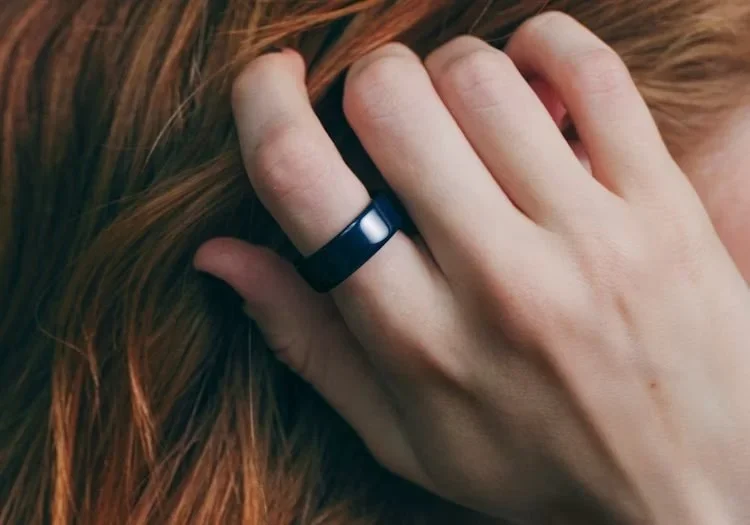
When I first started wearing the Oura Ring, I wasn’t looking for another piece of tech to obsess over. I wanted something subtle that could help me stay more in tune with my body. What I found was a tool that didn’t just give me data, it gave me awareness.
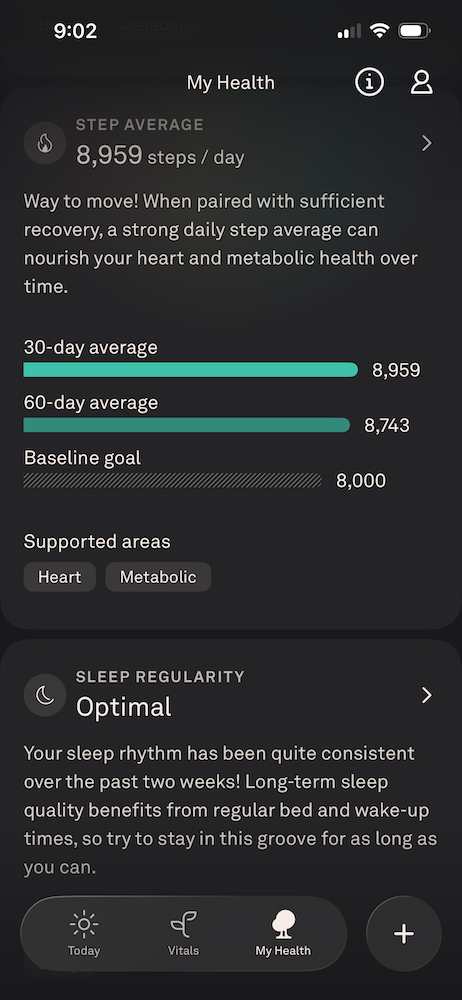
The Real Value: Sleep + Readiness Insights
The biggest game-changer for me has been sleep tracking. Not just how long I sleep, but how well I sleep.
The Oura Ring breaks things down into:
Sleep stages (deep, REM, light)
Restfulness and recovery
Overnight heart rate and body temperature
Then it translates all of that into a Readiness Score—which, honestly, has become one of my favorite features.
There have been so many days where I thought I was fine… until my readiness score told a different story. Instead of pushing through, I’ve learned to pause, adjust, and listen.
👉 That’s the shift: using data to support better decisions, not override how I feel.
Staying in Tune with My Body (Not Just My Calendar)
Another feature I didn’t expect to love as much as I do is cycle tracking. It gives me a clearer picture of patterns in my energy, recovery, and overall rhythm.
As someone who values both performance and wellness, this has helped me:
Plan workouts more intentionally
Recognize when I need more rest
Understand fluctuations in energy without judgment
It’s like having a quiet check-in with my body—every single day. As a yoga teacher, I constantly tell people to listen to their bodies, but I don’t always follow my own advice. This helps me do just that.
I also feel really proud when it tells me that I recovered and am on the right track. It may be silly to rely on a piece of technology for that, but it’s validating to know you’re on the right track.
The Balance: Data + Intuition
Here’s the part I think matters most:
You can’t rely on data alone.
The Oura Ring is powerful, but it’s not you. It doesn’t feel your stress, your emotions, your lived experience.
What it does do is provide a layer of insight that helps you validate what your body might already be telling you.
I’ve found the sweet spot is this: Trust your body first. Use the data to back it up.
That’s where real alignment happens.

The Everyday Experience (AKA: Will You Actually Wear It?)
Short answer: yes.
It’s incredibly lightweight
I barely notice it on my finger
It doesn’t interfere with workouts, typing, or daily life
Battery life is another win—it lasts several days, so I’m not constantly thinking about charging it.
And when it comes to sizing, I appreciated that they send a sizing kit beforehand. It made it easy to find the right fit, which matters since you’re wearing it 24/7.
The One Trade-Off
If there’s a downside, it’s the membership.
To unlock the full experience, you do need a monthly subscription. That said:
You can use HSA/FSA funds
There are often promos (I grabbed mine on Black Friday)
I even used an AmEx credit to offset the cost
So while it’s an added expense, there are definitely ways to make it more accessible.
Final Thoughts: Is It Worth It?
For me, the Oura Ring isn’t about optimization—it’s about awareness.
It’s helped me:
Respect my energy
Prioritize recovery
Stay connected to my body in a more intentional way
And in a world where we’re constantly being pushed to do more, that kind of feedback is invaluable.
If you’re someone who wants to better understand your body—without wearing a bulky device or getting overwhelmed by data—this is absolutely worth exploring.
Want more on Oura? Read our brand breakdown here.
This post was written by Kristy Beagle, WISe Wellness Guild Community Lead and yoga instructor.