

The Wellness Pulse: From Billion-Dollar Bets to More Personal Wellness

Wellness is getting more personal as it continues to get bigger.
This week’s signals show both sides of that evolution. Capital is flowing into protein, fitness and wearables. Major brands are expanding into wellness hospitality, better-for-you food, oral care and social commerce. At the same time, consumers are looking for experiences that address deeply personal needs, from menopause care and meaningful relationships to grief and emotional wellbeing.
The bigger shift is that wellness is becoming less of a standalone category and more of an ecosystem spanning how we eat, travel, shop, connect, recover and care for ourselves.
1. Equinox Takes Its High-Performance Wellness Model Into Luxury Hospitality
Equinox has opened Equinox Resort Amaala on Saudi Arabia’s northwestern coast, its second hospitality property after New York City. At the center of the resort is the new Equinox X Circuit, which organizes wellness experiences across seven areas: Scientific Beauty, Performance Healing, Contrast Therapy, Inner Body, Sleep, Mineral Water Therapy and Mind: Body Equilibrium.
The wellness approach extends well beyond the spa. Guest rooms incorporate circadian lighting, acoustic isolation and climate control as part of Equinox’s sleep science platform, while the property combines extensive fitness facilities, nutrition, recovery technology, hydrotherapy, yoga, Pilates and other services.
Why It Matters: Wellness hospitality is moving beyond adding a gym and spa to a luxury property. Equinox is designing the entire guest experience around performance, recovery and wellbeing, showing how wellness can become the operating system for hospitality rather than another amenity.
📍 Source: Spa Business
2. Barilla Acquires Better-for-You Mac and Cheese Brand Goodles
Barilla Group has agreed to acquire Goodles, the fast-growing better-for-you macaroni and cheese brand founded in 2020. Goodles will continue operating independently with its existing leadership and Santa Cruz headquarters.
The brand built its differentiation around nutrition and ingredients, incorporating components such as chickpea protein and vegetables into familiar comfort foods. Goodles now sells roughly 260,000 units of macaroni and cheese per day, and its leadership says the brand is bringing consumers into the category who were not previously buying boxed mac and cheese.
Why It Matters: Better-for-you food is no longer sitting on the sidelines of mainstream categories. Legacy companies increasingly see wellness-minded challengers as a way to reach consumers who still want familiar foods, but with stronger nutrition and ingredient stories. The opportunity is not always about creating a new behavior, it can be about making an old favorite relevant again.
📍 Source: Fierce Healthcare
3. David’s Parent Company Reaches a $2.25 Billion Valuation
Medici Brands, the parent company of high-protein snack brand David, raised $250 million at a $2.25 billion valuation, roughly triple its valuation from last year. David launched in mid-2024 and is on track to exceed $300 million in revenue this year, with products now sold in more than 35,000 retail locations.
The company is also expanding beyond its core protein bars, while parent company Medici Brands plans to develop additional low-calorie and low-sugar food brands.
Why It Matters: Protein has moved decisively from sports nutrition into mainstream consumer culture. David’s rapid growth shows just how much value investors see in brands that translate performance nutrition into convenient, highly branded everyday products. The next fight will be less about whether consumers want protein and more about which brands can own the habit.
📍 Source: Bloomberg
4. HYROX Is Sold in a Deal Reportedly Valuing the Brand Near $700 Million
Infront Sports & Media has sold its majority stake in HYROX to a consortium led by L Catterton. HYROX co-founders Christian Toetzke and Moritz Fürste and venture firm Wndr are also participating in the new ownership group.
Terms were not disclosed, although Bloomberg previously reported a valuation of roughly $700 million. The deal comes as HYROX continues to turn hybrid fitness racing into a global participation sport with events, training communities, gym affiliates and major brand partnerships.
Why It Matters: Fitness businesses are increasingly being valued for more than workouts or memberships. HYROX has created an ecosystem of events, community, competition, training and brand partnerships. Its growth shows the potential for fitness experiences to scale more like sports and lifestyle platforms than traditional gyms.
📍 Source: Athletech News
5. Dyson Brings Cameras, Data and Automatic Flossing Into Oral Care
Dyson has entered oral care with the CameraJet, a $500 toothbrush that uses a built-in camera to identify gaps between teeth and automatically deploy a jet of mouthwash while users brush.
The accompanying MyDyson app provides guided cleaning along with information about brushing coverage, areas users may be neglecting, overscrubbing and excessive pressure.
Why It Matters: The quantified-self mindset is expanding into increasingly routine parts of daily life. Consumers already track sleep, movement, recovery and heart rate. Now even brushing your teeth can become guided and measurable. Dyson’s move also illustrates how wellness and personal care are attracting technology brands looking for entirely new categories to reinvent.
📍 Source: Forbes
6. Sephora Brings Beauty Discovery and Shopping Together on TikTok
Sephora is launching Sephora Drop Shop on TikTok Shop in the U.S., beginning September 19. The concept will feature exclusive monthly product drops supported by teasers, creator content, interactive experiences and TikTok LIVE events with founders, creators and celebrity hosts.
Products featured in the drops will initially be available exclusively through Sephora’s TikTok Shop before some expand to other Sephora channels. Sephora says beauty already generates more than one billion searches per month on TikTok.
Why It Matters: The distance between discovery and purchase keeps shrinking. For beauty and wellness brands, social platforms are becoming not just marketing channels but storefronts, launch platforms and community spaces. The brands that win may be those that can educate, entertain and convert consumers within the same experience.
📍 Source: Sephora Newsroom
7. ATEAM Turns Wellness Culture Into a Dating and Friendship Network
ATEAM, a private membership community built around shared wellness lifestyles, is launching its matching app after generating a waitlist of more than 10,000 people.
Before launching the technology, the company built the community offline, hosting more than 30 activations attended by over 2,000 people and partnering with brands including SoulCycle and Life Time. The platform is designed to facilitate both romantic and platonic relationships around shared lifestyles and values, rather than traditional swipe-based dating.
Why It Matters: Run clubs, fitness studios and wellness communities are increasingly doubling as social infrastructure. ATEAM is turning that behavior into a business model, reinforcing the idea that consumers see connection and belonging as part of their wellbeing. Its offline-first approach is also notable, the community created the demand for the technology, not the other way around.
📍 Source: Inc.
8. Oura Files for an IPO After Revenue Jumps 74%
Smart-ring maker Oura has filed for a U.S. initial public offering and plans to trade on Nasdaq under the ticker OURA.
For the nine months ending June 30, the company reported $1.21 billion in revenue, up 74% year over year, and $60.8 million in net income compared with $1.6 million during the same period a year earlier. Oura raised more than $900 million last year at an approximately $11 billion valuation.
Why It Matters: Wearables are moving from buzzy wellness accessories into large-scale health businesses. Oura’s filing offers one of the clearest signals yet that consumers are willing to build ongoing habits around personalized health data. As the category matures, the bigger opportunity is moving beyond hardware toward platforms that turn continuous health information into meaningful guidance and services.
📍 Source: Reuters
9. Estrogen Patch Shortage Highlights Growing Demand for Menopause Care
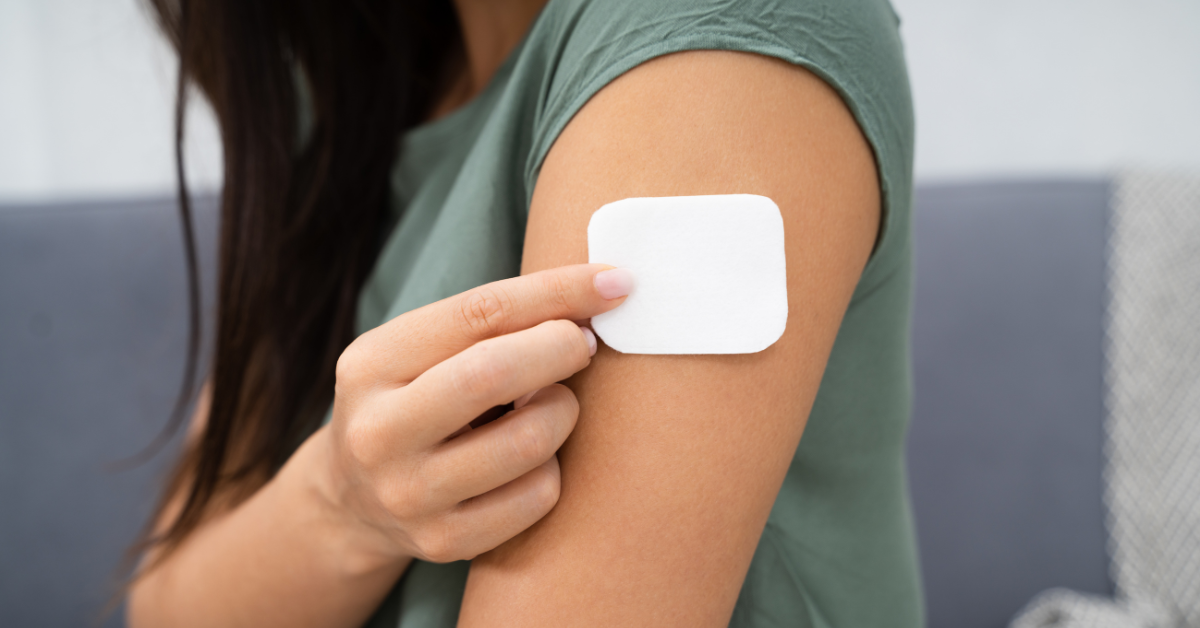
The FDA is working with all six manufacturers of estradiol transdermal patches to address ongoing shortages of the hormone therapy used to treat menopause-related symptoms.
Femtech Insider reports that nearly half of menopausal women have experienced difficulty filling prescriptions. Supply of FDA-approved patches has nearly doubled during the past year, but demand for menopausal hormone therapy has also increased, with usage up nearly 20% since July 2025.
Why It Matters: The mainstreaming of menopause care is creating a new challenge: infrastructure has to catch up with awareness. Innovation, education and changing attitudes can increase demand, but access depends on manufacturing capacity, coverage and reliable supply. Scaling women’s health means scaling the systems behind the care, too.
📍 Source: Femtech Insider
10. Fitness Communities Are Creating Space to Move Through Grief
A growing number of fitness communities are using movement to help people navigate grief. New York-based Grief, Sweat & Tears, founded in December 2025, has already supported roughly 400 people through pop-up workouts that combine physical activity with opportunities for connection and shared experience.
Experts cited by People point to the established mental health benefits of exercise, while emphasizing that movement should complement rather than replace professional support for people processing trauma and grief.
Why It Matters: The definition of a fitness community is expanding. Movement is becoming a gateway not only to physical health, but also to emotional release, belonging and support during difficult life experiences. It is another example of wellness spaces taking on roles that extend far beyond the workout itself.
📍 Source: People
WISe Intelligence
This week’s stories may look very different on the surface, from protein bars and smart rings to luxury resorts, menopause prescriptions and grief workouts, but they point in the same direction.
Wellness is becoming both bigger business and more deeply embedded in everyday life.
The strongest brands are not simply adding more wellness products. They are finding ways to become part of routines, relationships, travel, healthcare, commerce and community.
For brands, that raises the bar. Growth will increasingly depend on understanding where wellness naturally belongs in people’s lives, then building experiences that deliver real value there.
Stay Ahead of What’s Next in Wellness
The wellness industry is evolving quickly. WISe helps brands, health systems, and organizations turn emerging trends into clear strategy, credible positioning, and experiences that drive meaningful engagement.
Ready to move from insight to action? Work with WISe Wellness Guild. Contact us here or email us.
Follow WISe Wellness Guild on LinkedIn and Instagram for next week’s Wellness Pulse.