

🌿 The Wellness Pulse: Luxury Wellness, Recovery Travel, and Protein Culture
This week’s signal is clear: wellness is becoming more embedded, more emotional, and more commercially sophisticated. Recovery is moving deeper into travel, protein is becoming a stronger consumer identity cue, and brands are building for older adults, travelers, and health-conscious mainstream buyers in more visible ways.
Here are the 10 most important wellness signals shaping the week.
1) Recovery Travel Is Becoming the Next Luxury Frontier
A major shift in high-end travel: recovery is now a primary booking driver. From sleep optimization to thermal circuits and personalized recovery programming, luxury wellness destinations are designing experiences around restoration—not just indulgence.
Why it matters: Recovery is becoming a status symbol. The future of fitness isn’t just performance—it’s how well you can restore.
📍 Source: Forbes
2) Protein Is No Longer a Nutrient—It’s a Consumer Identity
Protein has evolved beyond function into emotional and lifestyle signaling. Consumers are increasingly associating protein with control, discipline, and overall wellness identity—not just muscle building.
Why it matters: Nutrition is becoming psychological. The brands that win will tap into identity—not just ingredients.
📍 Source: New Consumer
3) Healthy Aging Gets a Modern Nutrition Upgrade
Lucille Health launched a new product line specifically designed for adults 50+, targeting metabolic health, cognition, and energy with better-for-you formulations.
Why it matters: Longevity is no longer niche. Aging populations are driving one of the biggest growth markets in wellness—and brands are finally designing for them.
📍 Source: BevNet
4) Airport Fitness Is Redefining Travel Wellness
Anytime Fitness opened a fully equipped gym inside Sydney Airport, signaling a shift toward embedding wellness into transit environments.
Why it matters: Wellness is moving into “in-between” moments. The future isn’t about making time for health—it’s about health being built into your day.
📍 Source: Athletech News

5) Luxury Hospitality Doubles Down on Wellness Resorts
Marriott is expanding its luxury wellness portfolio through partnerships with destination spa brands like Lefay.
Why it matters: Big hospitality is betting on wellness as a core revenue stream—not an add-on. This is infrastructure-level change.
📍 Source: The Points Guy
6) Weight-Loss Drugs Are Reshaping Travel Behavior
GLP-1 medications like Ozempic are influencing how people travel, with reduced food consumption, shifting dining preferences, and new expectations around wellness experiences.
Why it matters: Pharmaceuticals are now shaping consumer behavior at scale—impacting industries far beyond healthcare.
📍 Source: Travel Weekly
7) Forest Bathing Keeps Gaining Ground as a Mainstream Wellness Practice
Fortune highlighted the benefits associated with forest bathing, including stress reduction, mood support, blood pressure benefits, and immune support. The story underscores how lower-cost, lower-tech practices continue to hold relevance in a market often dominated by products and premium experiences.
Why it matters: The market is broadening in a more human way. The most interesting wellness brands now solve for lived reality: convenience, dignity, life stage, and the emotional experience of care.
📍 Source: Fortune
8) Functional Food and Beverage Keeps Expanding Beyond Protein
Food Dive reports that 2026’s next wellness food and beverage trends extend beyond protein alone, with momentum around function-forward products tied to sports, performance, and broader health benefits. The category continues to widen into multiple daily consumption moments.
Why it matters: Consumers are not just buying food or drinks. They are buying mood, energy, focus, and performance in more habitual formats.
📍 Source: Food Drive
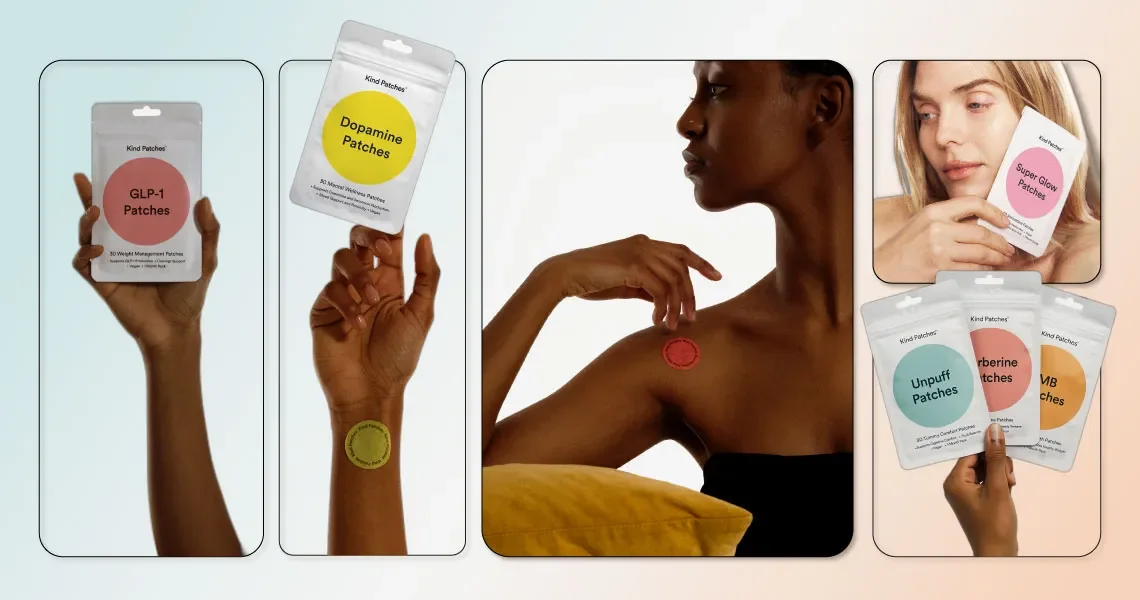
Image via Glossy
9) The Wellness Patch Market Is Scaling Fast
Glossy reports explosive online growth in wellness patches, including NAD+, GLP-1-related, collagen, and sleep formats, based on new market data. The format is attracting attention because it fits the consumer desire for convenience and novelty in wellness.
Why it matters: Consumers continue to reward wellness products that feel lightweight, easy, and stackable. Format innovation is becoming just as important as ingredient innovation.
📍 Source: Glossy
10) The ClassPass and Mindbody Parent Company Just Got Bigger
TechCrunch reports that the company behind ClassPass and Mindbody expanded through a $7.5 billion merger. That is a notable signal for the business infrastructure behind fitness, booking, and wellness services.
Why it matters: The wellness economy is still consolidating behind the scenes. Platform scale matters because distribution, discovery, and payment systems shape how consumers access wellness.
📍 Source: TechCrunch
WISe Takeaway
Wellness is expanding in two directions at once:
• More premium (luxury recovery travel, longevity products)
• More embedded (airport gyms, functional foods, passive formats)
At the same time, external forces—like pharmaceuticals—are reshaping behavior faster than brands alone ever could.
The future of wellness will belong to those who understand this:
It’s not just about helping people make better choices.
It’s about designing systems where those choices happen naturally.
Follow WISe Wellness Guild on LinkedIn andInstagram for next week’s Wellness Pulse.
Is your brand set up for success in the wellness industry? Take our WISe Brand Blueprint Assessment or schedule a free discovery call to get started.
📌 Follow WISe Wellness Guild on LinkedIn and Instagram for next week’s Wellness Pulse.