

This week’s wellness news points to a clear shift: consumers are no longer looking at wellness as a single product, app, class, or retreat. They are looking for connected experiences that fit into daily life — from beauty retail and functional food to smart rings, social fitness, youth access, longevity medicine, and wellness tourism.
For brands, the message is simple: wellness is becoming more integrated, more personalized, and more experience-driven. The winners will be the companies that can meet consumers where they already are — and make wellbeing feel easier to understand, access, and sustain.
Here are the 10 signals shaping the week.
1)Hims & Hers expands subscriber benefits with women’s health and wellness partners
Hims & Hers has expanded its subscriber benefits program with eight new partners, including Natural Cycles, Flo Health, MyFitnessPal, Dexcom’s Stelo glucose biosensor, HelloFresh, Factor, Ladder, PVOLVE Studios, and iFIT. The move brings women’s health, fitness, nutrition, metabolic monitoring, and recovery into a broader care and benefits ecosystem.
Why it matters: Health platforms are increasingly moving beyond prescriptions or single-point solutions. Hims & Hers is positioning itself as a hub for everyday health behavior, connecting treatment, data, fitness, nutrition, and reproductive health.
📍 Source: Femtech Insider
2) Olive Young brings K-beauty, wellness, and discovery retail to the U.S.
Olive Young has officially made its U.S. debut, opening its first store in Pasadena and launching a connected U.S. e-commerce experience. The store features approximately 400 brands and 5,000 SKUs across skincare, makeup, hair care, wellness, inner beauty, and lifestyle categories, along with personalized skin scanning, scalp analysis, sampling, and loyalty-driven retail programming.
Why it matters: K-beauty has become a major consumer movement because it blends innovation, education, affordability, ritual, and discovery. Olive Young’s U.S. entrance shows how beauty retail is becoming more interactive, personalized, and wellness-adjacent.
📍 Source: Forbes
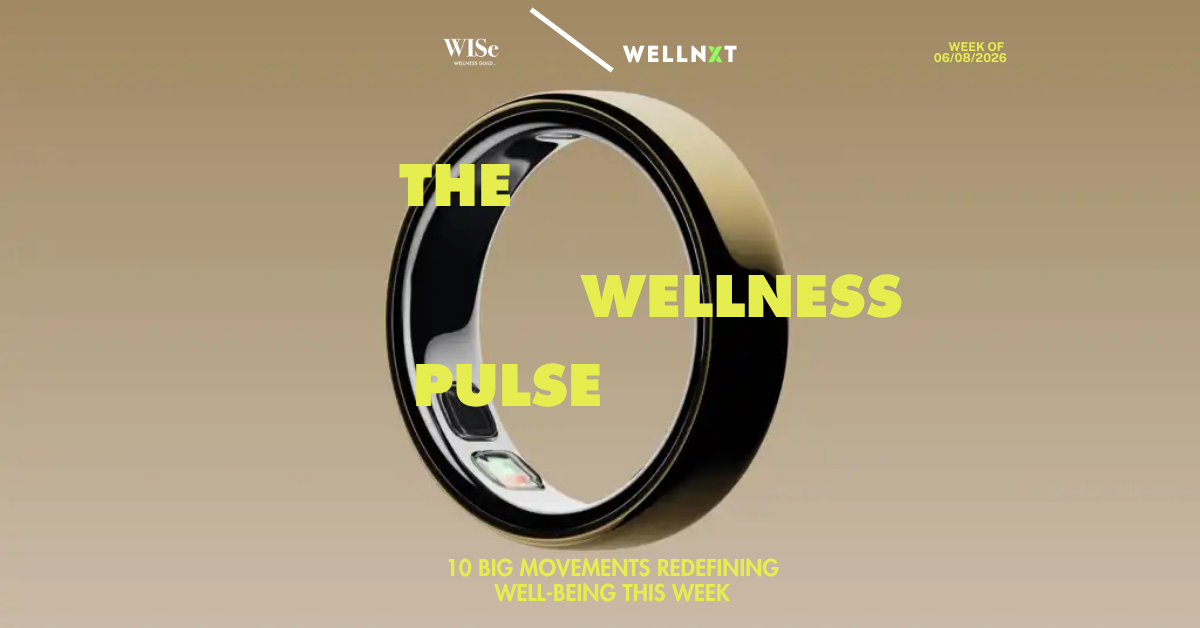
3) Oura Ring 5 pushes smart rings closer to everyday jewelry
Tech Advisor called the Oura Ring 5 a “watershed moment” for smart rings, noting that the new device is 40% smaller than the Oura Ring 4 and designed to look and feel more like regular jewelry. The article also highlights improved sensors, stronger signal pathways, and pricing that starts at $399, with full insights tied to Oura’s membership model.
Why it matters: Wearables are moving from obvious tech accessories to discreet, lifestyle-friendly health tools. The smaller and more elegant the device becomes, the easier it is for consumers to adopt continuous health tracking as part of everyday life.
📍 Source: Tech Advisor
4) Fields Good launches functional cookies backed by Female Founders Fund
Fields Good, co-founded by Ashley Fields and Kim Anderson, launched a lineup of functional cookies designed around focus, sleep, and protein. The brand raised $1.8 million in pre-seed funding led by Female Founders Fund and is positioning itself at the intersection of nostalgic treats and wellness benefits.
Why it matters: Consumers want food that feels comforting and functional. Fields Good reflects a broader shift in snacking: indulgence does not have to disappear, but it does need to work harder.
📍 Source: Food & Beverage Magazine
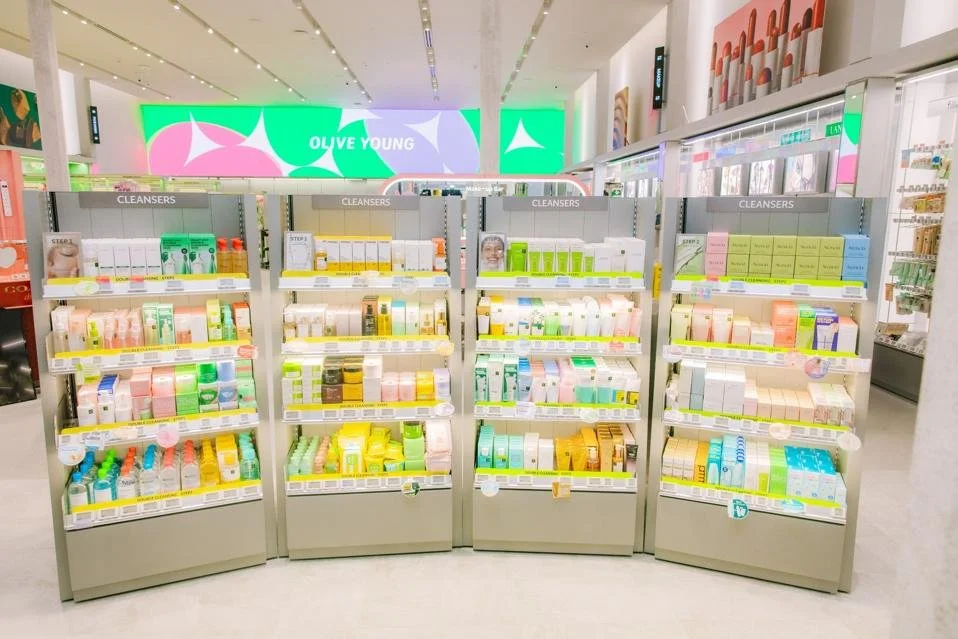
Courtesy of Olive Young
5) Training Mate targets 50 new territories as social fitness expands
Training Mate, the Australian-inspired boutique fitness brand founded by former rugby player Luke Milton, is accelerating its U.S. expansion. The brand currently has 11 studios, aims to reach 15 open locations by the end of 2026, and is prioritizing growth in Texas, Florida, Arizona, Tennessee, and Illinois while selling into 50 territories.
Why it matters: Fitness is becoming less about isolated workouts and more about belonging. Training Mate’s community-first model reflects why social fitness concepts continue to resonate with consumers who want motivation, accountability, and connection.
📍 Source: Athletech News
6) China develops a national longevity medicine training program
China has launched its first national, competency-based training program in longevity medicine. Developed by the China Non-public Medical Institutions Association and the Asia-Pacific Longevity Medicine Society, the program is designed to train physicians in preventive, healthspan-focused care, including aging biology, cardiometabolic prevention, digital monitoring, AI-assisted clinical decision support, nutrition, cognitive health, and sarcopenia management.
Why it matters: Longevity is moving from a consumer wellness buzzword into a clinical and policy priority. China’s program shows how healthspan medicine may become more standardized, credentialed, and integrated into healthcare systems.
📍 Source: Longevity Technology
7) Korea ramps up K-wellness tourism under a new Healing Industry Act
South Korea is expanding its K-wellness tourism strategy under the newly enacted Healing Tourism Industry Act, with a broader push to position wellness travel around healing, beauty, culture, and regional experiences. The Korea Times reported that the initiative marks a major rollout under the new law, while other coverage points to Korea’s growing effort to connect tourism, health, and healing.
Why it matters: Wellness tourism is becoming a national economic strategy, not just a resort offering. Korea is building on the global appeal of K-beauty, K-culture, medical tourism, and healing experiences to create a more structured wellness travel category.
📍 Source: The Korea Times
8) Planet Fitness opens free summer access for teens
Planet Fitness launched its 2026 High School Summer Pass, giving teens ages 14 to 19 free access to participating locations across the U.S. and Canada through August 31. The program includes access to equipment, certified fitness training, on-demand workouts in the Planet Fitness app, and Gymshark-powered discounts. Planet Fitness says it has invested more than $460 million in waived membership dues since 2019 to support youth health and wellness.
Why it matters: Youth wellness is becoming a bigger part of the fitness industry conversation, especially as parents, schools, and communities look for accessible ways to support physical and mental health.
📍 Source: PR Newswire
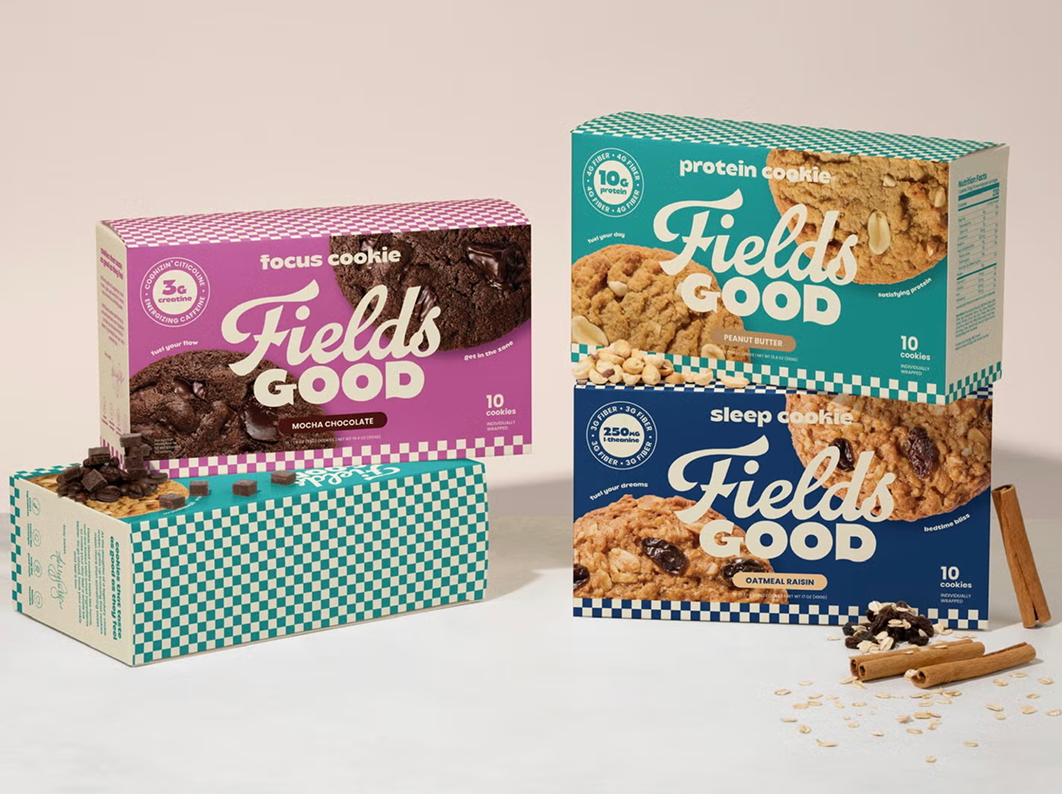
Courtesy of Fields Good
9) RateFit launches as wellness lifestyle apparel
RateFit launched June 1 as a wellness-driven lifestyle clothing brand from Rate. The Founder’s Drop includes 14 core pieces designed for studio, street, work, recovery, and rest, with pricing from $46 to $105. The brand is positioned as part of Rate’s broader wellness ecosystem, which includes apparel, the Rate App, community experiences, movement, recovery, connection, and everyday life.
Why it matters: Activewear is increasingly being repositioned as lifestyle wear for people moving between work, home, fitness, travel, and recovery. Consumers want clothing that supports a wellness identity without feeling overly performance-coded.
📍 Source: Globe Newswire
10) Huus Quell brings biohacking and regional wellness to the Swiss Alps
Town & Country spotlighted Huus Quell, a new five-star wellness retreat in Switzerland’s Appenzell Alps. The property includes a 23,000-square-foot spa with nine pools, eight saunas and steam grottos, 14 treatment rooms, a floating yoga platform, and a structured L3 Long Lasting Lifestyle Circle biohacking program that includes hyperbaric oxygen therapy and cryotherapy. The retreat is powered by renewable energy and rooted in local materials, craftsmanship, and regional culture.
Why it matters: Luxury wellness travel is moving beyond generic spa menus. The strongest properties are combining place-based authenticity, sustainability, advanced recovery tools, and structured wellness programming.
📍 Source: Town & Country
WISe Takeaway
This week’s Pulse shows wellness becoming more connected across categories: healthcare platforms are adding benefits ecosystems, beauty retailers are becoming education hubs, fitness brands are building community, food brands are making function feel indulgent, and countries are treating wellness tourism and longevity as long-term growth strategies.
The common thread is integration.
Consumers do not want wellness that feels fragmented, confusing, or performative. They want products, experiences, and systems that help them live better in real life — at home, at work, while traveling, while shopping, while tracking their health, and while connecting with others.
For brands and leaders, the opportunity is clear: build wellness that is easier to access, easier to trust, and easier to sustain.
Follow WISe Wellness Guild on LinkedIn and Instagram for next week’s Wellness Pulse.
Is your brand set up for success in the wellness industry? Take our WISe Brand Blueprint Assessment or schedule a free discovery call to get started.
📌 Follow WISe Wellness Guild on LinkedIn and Instagram for next week’s Wellness Pulse.