

Part III: The Operating System for Transformation
By Stevi Gable Carr
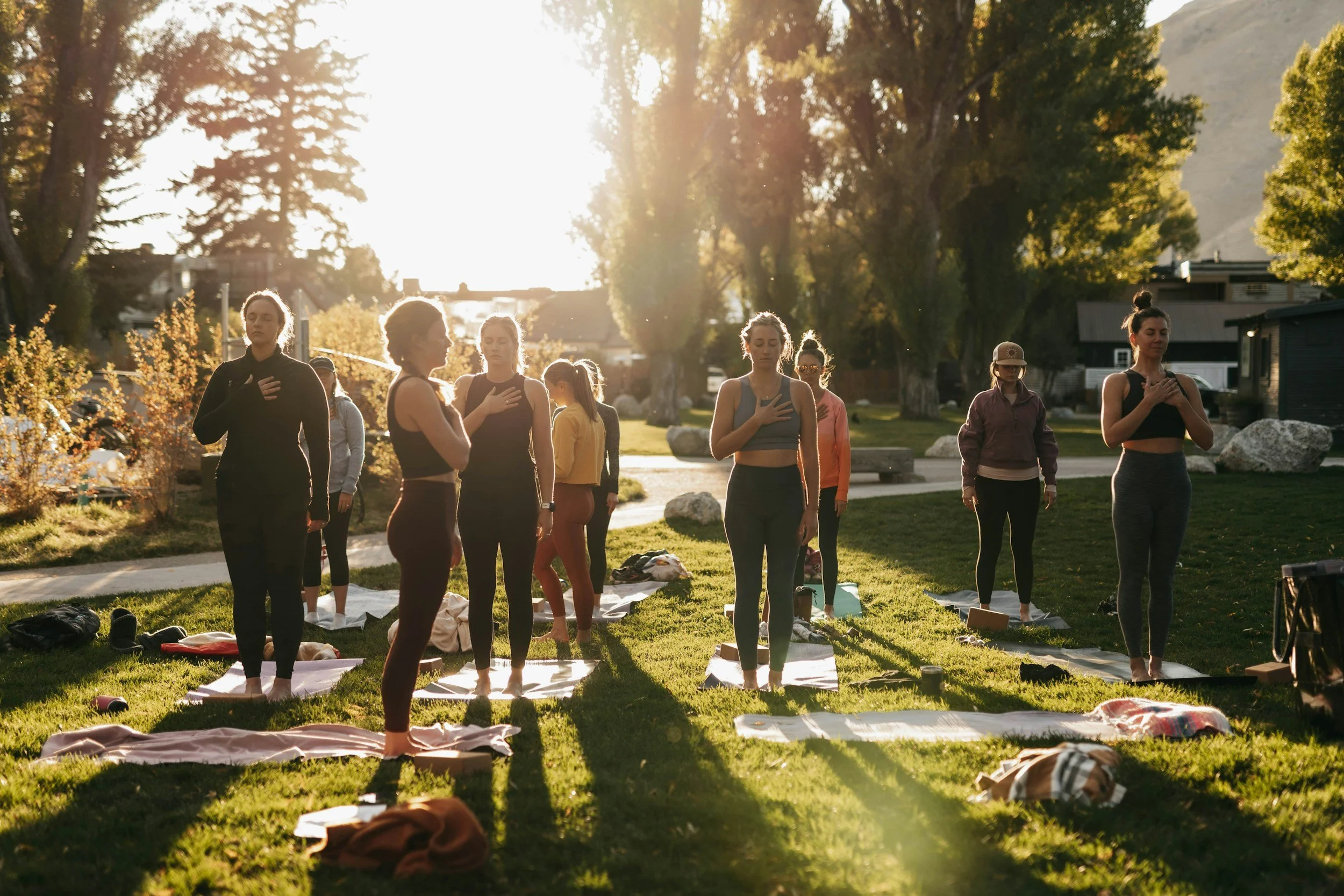
Why the next generation of wellness destinations will be designed less like resorts—and more like ecosystems.
A few months ago, someone asked me a question I've been thinking about ever since.
"What do you think the wellness destination of the future looks like?"
It's an exciting question, but I don't think it's the right one.
When we ask what the future looks like, we tend to picture tangible things—new longevity technologies, more personalized diagnostics, AI-powered coaching, beautiful architecture, recovery innovations, precision nutrition, immersive programming. All of those advances are coming, and many are already here.
But history tells us that technology rarely becomes the lasting differentiator. People do. Culture does. Trust does. Design does.
When I think about the organizations that have fundamentally changed the industries they're part of, they rarely won because they had one extraordinary feature. They won because every part of the experience reinforced the same philosophy.
Apple didn't simply design beautiful products. It designed an ecosystem. Disney doesn't simply operate theme parks. It orchestrates emotion. Mayo Clinic isn't respected because of one physician. It's trusted because every interaction reflects a consistent approach to care. The same opportunity exists in wellness hospitality.
The future won't belong to the destination with the longest menu of services. It will belong to the destination where every decision—seen and unseen—works together to help guests create meaningful, lasting change. Over the past several years, I've come to think about this as an operating system. Not software. A philosophy- a way of making decisions. An invisible architecture that quietly aligns hundreds of choices toward one shared outcome, one that helps people leave different than they arrived.
One lesson has followed me throughout my career. Consumers don't experience organizations the way organizations experience themselves.
Inside a company, there are departments. Marketing. Operations. Clinical teams. Food and beverage. Spa. Programming. Technology. Finance. Guests never see those divisions. They experience one brand. One story. One feeling. One promise. When that promise feels coherent, trust grows almost effortlessly. When it doesn't, people notice—even if they can't explain why.
I think that's one of the most important leadership challenges facing wellness destinations today. Not because anyone is doing it poorly. Because success has created complexity.
The industry's growth has brought extraordinary innovation, but innovation naturally creates specialization. Functional medicine expands. Recovery grows. Mental wellbeing evolves. Performance coaching matures. Hospitality itself continues raising the standard. Each advancement is valuable. The challenge is ensuring they don't become separate conversations. Transformation has never been multidisciplinary from the guest's perspective. It's simply life.
Guests don't wake up thinking about nutrition, sleep, relationships, stress management, movement, purpose, and emotional health as separate categories. They experience all of them simultaneously. Perhaps our organizations should be designed the same way.
That shift begins with a deceptively simple question: “what are we actually trying to help people become?
Notice I didn't ask what we're trying to help them do.
Behavior follows identity.
Someone who believes they're becoming healthier approaches daily choices differently than someone trying to complete another wellness challenge. Someone who sees themselves as an engaged parent makes different decisions than someone trying to achieve work-life balance. Someone who believes they're becoming a resilient leader doesn't need constant reminders to practice healthier habits. Their decisions begin flowing from a different sense of self. Behavioral science has taught us this repeatedly. Executive coaching reinforces it every day. Healthcare increasingly recognizes it. Hospitality now has an opportunity to design for it. That changes how we think about everything from the welcome conversation to the checkout experience.
Imagine if the first meaningful conversation a guest had wasn't about spa reservations or activity schedules.
Imagine if it began with a different question. "When you leave here, what do you hope is different about your life?" Not your vacation. Your life.
The answer might have nothing to do with wellness in the traditional sense.
"I want to feel present with my children again."
"I want to stop waking up exhausted."
"I want to reconnect with my spouse."
"I want to enjoy my work without sacrificing my health."
Those are not treatment requests. They're human aspirations. Everything else should simply support them.
I've become convinced that the most important innovation in wellness hospitality won't be technological. It will be relational.
The organizations that shape the next decade won't simply know more about their guests. They'll know them more deeply. That distinction matters.
Data can tell us someone slept six hours. A conversation tells us they haven't felt rested since becoming a caregiver for an aging parent.
A biometric assessment may identify elevated stress markers. Trust reveals that someone is quietly questioning whether the career they've spent twenty years building is still the life they want.
Technology is becoming remarkably good at measuring human performance. Human beings are still unmatched at understanding human meaning.
The future requires both. Not one replacing the other, but one amplifying the other.
This is where I believe luxury wellness has an opportunity to redefine luxury itself. For decades, luxury has largely been measured by access. Access to exceptional places, exceptional service, exceptional products, exceptional expertise.
Increasingly, I think luxury will be measured by something else: attention. Not the attention of staff- the attention we finally give ourselves. The opportunity to notice how we're living before life forces us to, and the chance to ask questions we normally postpone. The permission to imagine a healthier future before illness makes the decision for us. In many ways, wellness destinations have become one of the few places in modern life intentionally designed for reflection.
That may be their greatest contribution. Not helping people escape life. Helping them return to it more consciously.
When we launched WellNXT, one observation surprised me. People consistently told us they loved the speakers, the experiences, the food, the movement, and the recovery activations. But when I asked what they remembered months later, they rarely started there. They talked about the woman they met while waiting for coffee who became their accountability partner. The physician who introduced them to someone working on the same challenge. The walking group that still meets on Saturday mornings. The text message they received three weeks later asking, "How are you doing with that commitment you made?" Those weren't the moments we advertised. They weren't the headline experiences. But they were often the moments that endured.
It reminded me of something healthcare has been learning for years. Outcomes improve when people feel connected. Not simply informed. Connected.
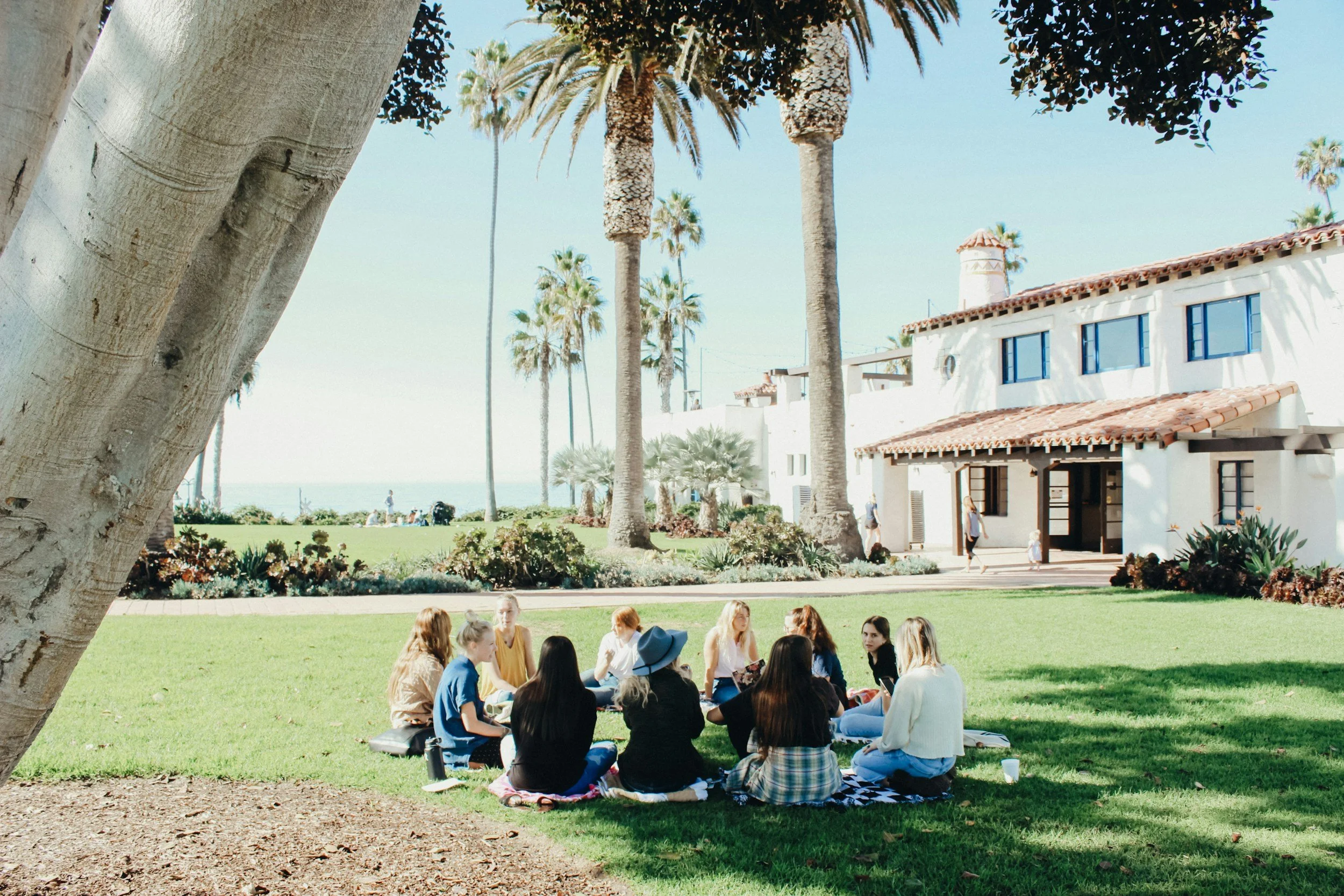
Perhaps community isn't a byproduct of a great wellness experience. Perhaps community is the mechanism through which transformation continues.
That realization has changed how I think about success. Maybe we should spend less time asking whether guests enjoyed their stay and more time asking whether they found people who make healthy living easier once they return home. Those are very different measures of impact.
So where does this leave us? I believe we're entering a new chapter in wellness hospitality. The first chapter proved that people were willing to travel in pursuit of wellbeing. The second demonstrated that hospitality could thoughtfully integrate movement, nutrition, recovery, medicine, and mindfulness into extraordinary guest experiences.
The next chapter asks something far more ambitious.
Can hospitality become a catalyst for lifelong health? Not by replacing healthcare. Not by replacing coaching. Not by replacing community. But by becoming the place where all three begin working together.
That's what I mean when I talk about The Wellness Destination Operating System™.
Not a framework to be implemented. Not a certification. Not another consulting model. A philosophy.
A belief that every decision an organization makes should answer one question:
Will this make it easier for our guests to continue living this way once they go home?
If the answer is yes, we're designing for transformation.
If the answer is no, perhaps we're still designing for a stay.
There's nothing wrong with creating an unforgettable stay. The organizations leading this industry have already shown the world what exceptional hospitality can look like. I simply believe the next opportunity is even more meaningful.
To create experiences that don't end at checkout. To build communities that outlast the reservation. To earn trust that extends well beyond the property. To help people write a different story about their health—not for a weekend, but for the years that follow.
If wellness hospitality succeeds in doing that, I don't think we'll simply change an industry. We'll change our understanding of what hospitality has always been capable of becoming. Because perhaps hospitality was never just about welcoming people to a place.
Perhaps its highest calling is helping people feel at home in their own lives again.
If you found this series inspiring or want to discuss in more detail, let’s chat further!

Founder + CEO Stevi Gable Carr
About the Author
Stevi Gable Carr is a business strategist, executive coach, and founder working at the intersection of healthcare, hospitality, consumer behavior, and leadership. As Founder & CEO of WISe Wellness Guild and Co-Founder of WellNXT, she advises health systems, wellness brands, destinations, and executive teams on designing experiences that build trust, foster community, and create lasting behavior change. Her work is grounded in a simple belief: the most valuable wellness experiences aren't the ones people remember—they're the ones that quietly change how people choose to live.